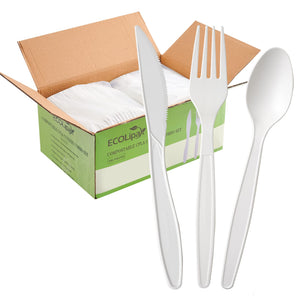
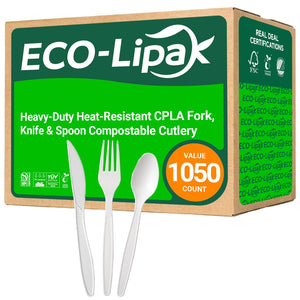
Quick Answer: CPLA cutlery is best for foodservice teams that need a heat-resistant, plastic-free-feeling utensil option for hot meals, takeout, office lunches, and catering lines. It is not just a fork choice; it should be planned with bowls, clamshells, napkins, pickup flow, and the local disposal route.
Key Takeaways
- CPLA cutlery is useful when hot food performance matters more than a purely wood-like table feel.
- Forks, spoons, and knives should be stocked by menu type, not evenly by habit.
- Hot meals with rice, pasta, curry, soup, or salad need different utensil ratios.
- Foodservice teams should test strength, heat feel, and guest handling before switching at scale.
- Cutlery works best as part of a packaging system that includes containers and clear disposal guidance.
Many restaurants treat utensils as a finishing detail. Guests do not. If a spoon bends in a soup bowl or a fork feels weak in a rice bowl, the packaging choice becomes part of the meal experience. CPLA cutlery can support hot and mixed-menu service when the buying decision starts with actual food, not just a carton count.

Menu-Based Cutlery Planning
| Menu type | Main utensil need | Buying note |
|---|---|---|
| Rice bowls and pasta | Forks plus some spoons | Forks move fastest, but saucy bowls still need spoons. |
| Soups, chili, curry | Spoons | Keep spoons beside bowls so staff do not guess. |
| Salads and wraps | Forks and knives | Knives matter when proteins or wraps are served whole. |
| Office lunch delivery | Mixed sets | Bundle only what the menu needs to reduce unused utensils. |
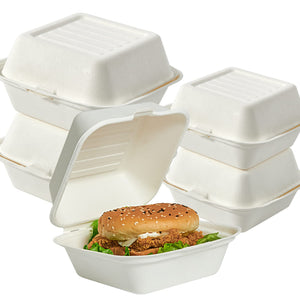
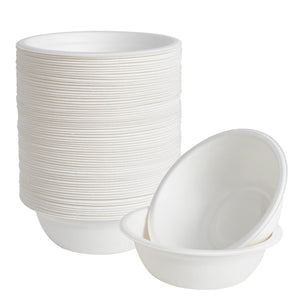
ECO-Lipak's CPLA forks, knives, and spoons are a practical option for hot food programs. Larger foodservice teams can compare wholesale CPLA cutlery forks for high-volume service. Pair utensils with sugarcane to-go boxes or sugarcane bowls when your menu includes hot bowls, rice meals, and saucy takeout.
Switching Workflow
- Audit the menu for 7 days. Count fork, spoon, and knife use separately.
- Run a hot-meal test. Test the utensil with the hottest, densest, and sauciest item.
- Build station ratios. Put spoons near soup and curry, forks near salads and pasta, and knives near proteins.
- Bundle carefully. Avoid giving every order a full set when one utensil is enough.
- Train the disposal answer. Staff should know whether local composting accepts the materials used.

The EPA food service ware guidance can help procurement teams evaluate utensils as part of a full service system rather than a single item. For disposal basics, see ECO-Lipak's guide to disposing of plastic cutlery.
FAQ
What is CPLA cutlery best used for?
CPLA cutlery is best for hot meals, takeout, catering, office lunches, and situations where utensils need more heat resistance than many basic alternatives.
Should restaurants buy fork, spoon, and knife sets?
Only buy full sets when the menu needs them. Many takeout menus use forks and spoons faster than knives.
Can CPLA cutlery replace plastic cutlery?
It can replace many plastic cutlery use cases, but teams should test strength, heat feel, and disposal requirements before switching across all orders.
How should CPLA cutlery be stored at a station?
Store utensils by menu station, with spoons near soups and bowls, forks near salads and entrees, and knives near items that need cutting.