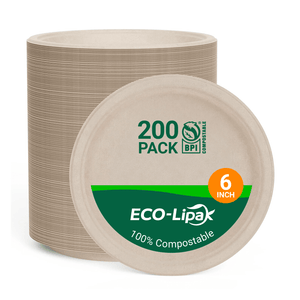
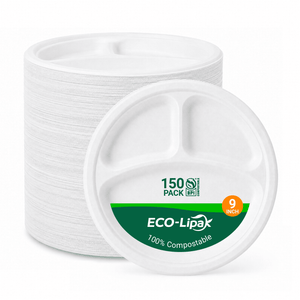
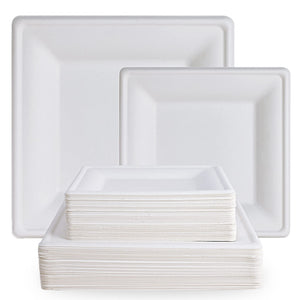
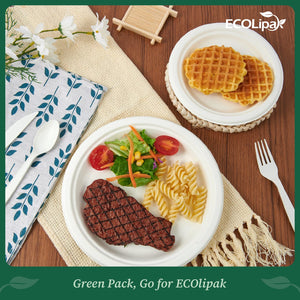
You can make every meal a part of the solution with a sustainable sugarcane plate. Imagine your family dinner or a lively picnic where you serve food on 7 & 9 in Sugarcane Compostable Plates. These eco-friendly plates start as sugarcane pulp, hold your favorite foods, and then return to the earth within 60 days. You help reduce environmental impact and support sustainable dining when you choose sustainable solutions that protect the environment.
Key Takeaways
Sugarcane plates are eco-friendly and compostable, breaking down in 60-90 days.
Using sugarcane plates reduces carbon emissions and supports sustainable living.
Sugarcane plates are durable and suitable for hot, cold, and oily foods.
Composting sugarcane plates enriches soil and reduces landfill waste.
Choosing sugarcane plates helps protect the environment and promotes a zero-waste lifestyle.
What Is Sugarcane Bagasse Tableware?
Definition and Materials
You encounter sugarcane bagasse tableware every time you choose plates made from natural fibers instead of plastic. Sugarcane bagasse is the fibrous material left after extracting juice from sugarcane. Manufacturers use this natural byproduct to create eco-friendly tableware. The process involves pulping the sugarcane bagasse, treating it for hygiene, molding it into shapes, and curing it for durability. You can find plates, bowls, trays, and clamshell containers made from sugarcane bagasse. These items serve as biodegradable dinnerware for everyday meals and special events.
Definition of Sugarcane Bagasse Tableware |
Materials Used in Production |
|---|---|
Bagasse is the dry, fibrous material left over after sugarcane stalks are crushed to extract their juice. |
Tableware items include plates, bowls, trays, and clamshell containers molded from sugarcane bagasse. |
Sustainability Benefits
You support sustainable living when you use sugarcane bagasse tableware. This eco-friendly tableware breaks down in compost within 60-90 days, much faster than plastics. Sugarcane bagasse products emit 65-80% less CO₂ over their lifecycle compared to traditional plastics. You help preserve biodiversity because sugarcane bagasse uses existing agricultural output and does not require additional logging. The manufacturing process saves energy and water, using 30-40% less energy and recirculating 90% of water. Sugarcane bagasse tableware does not leach harmful chemicals into food, making it a safe choice for your family. You also enjoy biodegradable dinnerware that enhances the presentation of your meals.
Biodegradability: Sugarcane bagasse decomposes within 90-180 days in compost.
Reduced carbon footprint: Sugarcane bagasse products emit much less CO₂ than plastics.
Resource efficiency: Sugarcane bagasse uses agricultural waste, not new resources.
Safety and health: Sugarcane bagasse does not leach toxins.
Aesthetic appeal: Sugarcane bagasse tableware looks natural and pleasing.
Why Choose Ecolipak?
You make a sustainable choice when you select Ecolipak’s compostable sugarcane plates. Ecolipak’s plates are biodegradable, breaking down in home compost bins within a few months. In industrial composting, they decompose in 45 to 90 days. Ecolipak’s sugarcane bagasse tableware is designed for city composting programs and meets strict eco-friendly standards. The plates hold certifications such as BPI, CMA, and TÜV AUSTRIA, guaranteeing compostability and safety.
Certification |
What It Guarantees |
Best For |
|---|---|---|
BPI |
Passes strict lab tests for compostability (ASTM D6400). |
Verifying a product is scientifically designed to be composted. |
CMA |
Passes lab tests AND real-world field tests in industrial facilities. |
Ensuring a product is accepted by and works in commercial compost programs. |
TÜV AUSTRIA |
Passes European lab standards for industrial or home composting. |
Identifying products that meet international standards. |
You benefit from eco-friendly tableware that is sturdy, natural, and biodegradable. Ecolipak’s sustainable packaging solutions help you reduce waste and support a zero-waste, circular lifestyle. You protect green spaces and make every meal part of a sustainable journey.
The Circular Journey of Sustainable Sugarcane Plates

From Pulp to Plate
You start the journey with sugarcane, a natural crop grown for food and energy. After harvesting, farmers extract juice from the stalks. The leftover bagasse, a fibrous residue, becomes the foundation for eco-friendly tableware. You support sustainable practices when you choose products made from agricultural waste instead of new resources.
The transformation of bagasse into a sustainable sugarcane plate follows a clear process:
Workers prepare and clean the raw bagasse, removing contaminants.
Machines pulp the bagasse into a fiber slurry.
Technicians treat the slurry with chemicals to make it oil- and water-resistant.
The slurry is shaped into plates using vacuum forming.
Hot pressing and thermoforming remove moisture and create a smooth finish.
Edge trimming ensures each plate has accurate dimensions.
Inspectors check quality before packaging.
This process creates biodegradable dinnerware that is sturdy, natural, and ready for sustainable dining. You see the circular economy in action, where agricultural waste becomes eco-friendly tableware instead of landfill trash.
Everyday Use and Performance
You experience the benefits of sustainable sugarcane plate tableware every time you serve a meal. These plates are durable and heat-resistant. You can use them for hot dishes like soup or curry, cold foods, and oily meals. The plates remain sturdy and do not leak, even with temperatures up to 220°F. You enjoy sustainable dining without worrying about soggy or weak plates.
Food Type |
Sugarcane Plates Performance |
Traditional Disposable Plates Performance |
|---|---|---|
Hot Foods |
Excellent, withstands up to 220°F |
Varies, often less heat resistant |
Cold Foods |
Suitable, maintains integrity |
Generally suitable |
Oily Foods |
Resists moisture and oils well |
Often becomes soggy or weak |
You choose eco-friendly tableware that works for parties, picnics, and everyday meals. The plates are versatile and reliable. You support sustainable solutions that protect the environment and provide convenience. You avoid plastic exposure and enjoy natural, compostable products that enhance your dining experience.
Feature |
Description |
|---|---|
Durability |
Sugarcane plates are durable and heat-resistant, suitable for hot dishes and oily foods. |
Heat Resistance |
They can safely hold hot items like soup or curry without leaking, unlike paper bowls. |
Versatility |
Suitable for both hot and cold foods, making them ideal for various food service applications. |
You see how eco-friendly tableware supports sustainable packaging and sustainable dining. You make a positive impact with every meal.
Composting and Decomposition
You complete the circular journey when you compost your sustainable sugarcane plate. In a commercial composting facility, the plates decompose in 45 to 90 days. Over 90% of the plate’s mass turns into carbon dioxide, water, and humus. The remaining material becomes microbial biomass. You can also compost these plates at home, where they break down within 45 to 90 days.
Composting sugarcane plates reduces greenhouse gas emissions. You prevent methane production, which happens when plates end up in landfills. You help complete the biogenic carbon cycle. The carbon released during decomposition matches the carbon absorbed by the plant, so there is no net increase in atmospheric carbon dioxide.
The compost produced from biodegradable dinnerware enriches the soil. You increase organic matter by 3-5%. Water retention improves by 15-20%. You support healthier soil ecosystems and sustainable practices. You conserve natural resources and reduce plastic pollution. You choose sustainable solutions that protect green spaces and promote a circular economy.
Tip: Always compost your eco-friendly tableware in a certified facility or home compost bin. You help close the loop and support sustainable dining.
You see the difference between sustainable sugarcane plate tableware and plastic dinnerware. Plastic plates stay in landfills for decades, releasing toxins and harming the environment. Your choice of compostable, natural, and biodegradable dinnerware supports a zero-waste lifestyle. You help create a cleaner planet for future generations.
Sustainable Dining Benefits for Consumers
Convenience and Versatility
You want dining solutions that fit your busy life and support sustainable choices. Eco-friendly tableware like Ecolipak’s sugarcane plates gives you both. These biodegradable plates are strong and reliable. You can serve hot soup, oily pasta, or cold salads without worrying about leaks or breaks. The plates stay sturdy, even with wet or greasy foods. You can use them for family dinners, school events, or outdoor picnics. Their natural look adds a touch of style to any meal, from casual lunches to formal gatherings. You can reheat leftovers in the microwave or store food in the freezer, making meal prep simple and sustainable. After use, you compost the plates, helping the environment and closing the loop in the circular journey of sustainable dining.
Durability for all types of food
Moisture and heat resistance
Compostable for easy disposal
Suitable for casual and formal events
Health and Safety
You care about what touches your food. Ecolipak’s eco-friendly tableware meets strict health and safety standards. The plates are FDA-approved and follow EU regulations for food contact. You avoid harmful chemicals like BPA and PFAS. The natural sugarcane material does not leach toxins into your meals. You can safely serve hot, cold, or oily foods. For best results, avoid storing very acidic or oily foods for long periods. Short microwave reheating is safe, but always follow usage guidelines. You protect your family’s health while supporting environmental responsibility.
Note: Ecolipak’s biodegradable dinnerware is tested for safety and quality, giving you peace of mind with every meal.
Environmental Impact
You make a real difference when you choose sustainable, eco-friendly tableware. Sugarcane plates use agricultural waste, not new resources. Their production has a low environmental impact and supports environmental sustainability. The short growth cycle of sugarcane means quick renewal and less carbon released. When you compost these plates, you help complete the biogenic carbon cycle. This process keeps the environment cleaner and reduces greenhouse gas emissions. Unlike plastic plates, which pollute the environment for decades, biodegradable dinnerware returns to the earth in just weeks. Ecolipak’s commitment to environmental responsibility means you help protect green spaces and support a zero-waste lifestyle. Every meal becomes a step toward a cleaner planet.
Benefit |
How You Help the Environment |
|---|---|
Compostable plates |
Reduce landfill waste |
Renewable materials |
Lower carbon footprint |
Biodegradable dinnerware |
Support a circular, zero-waste cycle |
You join a community of eco-friendly consumers who value sustainable dining and environmental responsibility. Your choices matter for the environment and future generations.
Responsible Use and Disposal
Best Practices for Use
You play a key role in supporting sustainable dining when you use eco-friendly tableware responsibly. Ecolipak’s compostable plates offer a natural solution for everyday meals and events. You can serve hot, cold, or oily foods with confidence. The plates remain durable and leak-proof, making them ideal for sustainable dining at home, school, or outdoor gatherings. You help the environment by choosing tableware made from renewable sugarcane bagasse. These plates are free from BPA, wax, and harmful chemicals. You can safely reheat food in the microwave or store leftovers in the freezer. You reduce landfill waste and pollution by using compostable plates.
Use eco-friendly tableware for hot, cold, or oily foods.
Choose compostable plates made from natural sugarcane bagasse.
Store plates in a dry, cool place to maintain their quality.
Select the right size and shape for your meal to enhance sustainable dining.
Clean reusable eco-friendly tableware gently to preserve its integrity.
Tip: You make eco-conscious choices every time you select sustainable solutions for your meals.
Composting Tips
You support the circular economy when you compost eco-friendly tableware after use. Compostable plates break down naturally, returning nutrients to the earth. You can compost sugarcane plates at home or in commercial facilities. To accelerate decomposition, cut plates into smaller pieces. Maintain your compost pile by turning it regularly and keeping it moist. You create a zero-waste system that benefits the environment.
Effective Composting Steps:
Find a plastic bin to use as a compost container.
Drill holes at the bottom for airflow.
Start with a brown base using dry leaves and other organic materials.
Add dirt until the bin is half full.
Toss in compostable items, including eco-friendly tableware.
Stir the contents lightly to cover everything with dirt.
Moisten the mixture and place the bin in a convenient spot.
Composting Method |
Benefit for the Environment |
|---|---|
Home Composting |
Supports sustainable practices |
Commercial Composting |
Accelerates the circular economy |
You help close the loop in the circular economy by composting natural tableware. You support sustainable practices and protect the environment with every meal. Eco-friendly tableware makes sustainable dining easy and effective for everyone.
You support the environment every time you choose a sustainable sugarcane plate. This natural, compostable solution completes its journey from field to table and back to earth in just 60 days. You enjoy eco-friendly tableware that is durable, safe, and practical for sustainable dining. The table below shows how sugarcane plates compare to other options:
Feature |
Sugarcane Plates |
Bamboo Plates |
Paper Plates |
|---|---|---|---|
Compostable |
Yes |
Sometimes |
Rarely |
Durability |
High |
Medium |
Low |
Environmental Impact |
Low |
Medium |
High |
You can help the environment by composting plates, keeping them separate from other waste, and making sustainable dining a natural part of your life.
FAQ
How do sugarcane plates support a sustainable lifestyle?
You use plates made from sugarcane bagasse, which comes from agricultural waste. These plates return to the earth through composting. You help create a zero-waste cycle and support a sustainable future every time you choose them.
Can I compost Ecolipak sugarcane plates at home?
You can compost these plates in your backyard bin. They break down within 60-90 days. You enrich your soil and keep waste out of landfills. Composting supports a circular, sustainable system.
Are sugarcane plates safe for hot and oily foods?
You can serve hot soup or oily pasta without worry. Sugarcane plates resist heat and oil. You enjoy sturdy, leak-proof tableware that keeps your meal safe and supports sustainable dining.
What certifications do Ecolipak plates have?
You find certifications like BPI and TÜV AUSTRIA on Ecolipak plates. These labels show the plates meet compostability standards. You trust that your choice supports a sustainable and safe dining experience.
How do sugarcane plates compare to plastic plates?
You choose plates that decompose quickly and leave no toxins. Plastic plates stay in landfills for decades. Sugarcane plates complete a cradle-to-cradle journey, supporting a sustainable, zero-waste lifestyle.