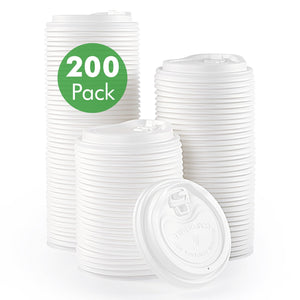
Quick Answer: ECO-Lipak puts product specifications before broad environmental language because buyers need facts they can verify: material, dimensions, capacity, pack count, fit, operating limits, and the intended disposal pathway. A claim such as “eco-friendly” cannot tell a cafe whether a lid fits, a caterer how many cartons to order, or a facility manager whether the local composter accepts an item.
Key Takeaways
- Specific product facts are more useful than an unqualified green label.
- Dimensions, material, pack count, and compatibility should be checked before price comparisons.
- Disposal claims need local context; compostable does not mean accepted everywhere.
- Samples and realistic menu tests reduce mismatched lids, weak portions, and unused inventory.
- Good specifications should make the limits of a product as clear as its advantages.
Foodservice buyers rarely struggle because they cannot find a positive adjective. They struggle because a page says “strong,” “sustainable,” or “perfect for every occasion” without answering the questions that control an order. What is the rim diameter? Is the listed capacity a nominal size or a practical serving volume? How many pieces are in a sleeve and carton? Does a cup need a separate lid? What foods and service conditions should be tested?
Those questions sound ordinary, and that is the point. Packaging becomes useful in an ordinary workflow: receiving, storing, setting up, serving, carrying, cleaning, and disposing. ECO-Lipak's product guidance is most valuable when it helps a buyer move through that workflow with fewer surprises. The environmental story belongs beside the specifications, not in place of them.

The Specification Fields That Change A Purchase
| Field | Buyer question it answers | Common mistake it prevents |
|---|---|---|
| Material and construction | What is the item made from, including any lining or separate component? | Assuming a paper-looking item is plastic-free or locally recyclable |
| Dimensions and capacity | Will it fit the portion, dispenser, shelf, cup rim, or transport box? | Comparing products only by ounce label or product photo |
| Pack and carton quantity | How much inventory arrives and how should it be stored? | Underestimating space or ordering the wrong number of cases |
| Compatibility | Which lid, cup, tray, or utensil is designed to work with it? | Buying nearly matching components that leak or detach |
| Food and service fit | Is it appropriate for the actual temperature, moisture, weight, and hold time? | Using a dry-food test to predict a hot, saucy menu |
| Certifications and claims | Which statement is supported, and under what conditions? | Treating a broad environmental phrase as a disposal instruction |
| End-of-use guidance | What collection route exists where the item will be used? | Sending compostable ware into conventional recycling |
Not every product page can answer every local question. A seller can describe the material and intended pathway, but a local hauler decides what it accepts. A product can have a stated capacity, while the buyer still needs to decide whether that capacity suits a realistic serving. The goal is not to make a page sound certain about everything. It is to separate documented product facts from decisions the buyer must validate.
Why Broad Eco Claims Are Not Enough
The U.S. Federal Trade Commission's Green Guides summary warns marketers against broad, unqualified environmental benefit claims that are difficult to substantiate. It also explains that compostable, degradable, recyclable, and renewable-material claims may need clear qualifications. That is a useful writing standard even before a legal review: say what the claim means, identify the relevant conditions, and avoid turning a material attribute into a promise about every disposal system.
For example, “made with sugarcane fiber” identifies a material source. “Compostable” describes an intended recovery pathway under stated conditions. Neither statement proves that the item belongs in a customer's curbside recycling bin or that a nearby facility accepts foodservice ware. Clear language leaves room for those distinctions.
A Five-Step Pre-Order Check
- Write down the real use case. Name the menu, serving temperature, portion, hold time, transport distance, and disposal setting.
- Compare specifications in one unit system. Convert dimensions if needed and distinguish pieces per pack from pieces per carton.
- Confirm component fit. Match lids and cups by the stated rim system, then verify with physical samples when the order matters.
- Run a complete service test. Fill, close, carry, stack, and hold the item using the food and timing planned for the event.
- Document the result. Record the approved SKU, compatible components, portion tool, and reorder quantity so the next buyer does not restart the research.

What A Realistic Sample Test Looks Like
A product should not be approved because an empty sample feels rigid. Fill a square sugarcane plate with the heaviest menu combination and use the planned utensil. Fill a kraft paper hot cup to the intended level, seat the selected lid, and carry it through the same route a customer will use. If the operation also stocks white paper hot cups, label the cup and lid sleeves so visual similarity does not become an inventory error.
Observe the item at the end of the real service window, not only at the moment of filling. Look for softening, seepage, warping, awkward grip, loose fit, and portion creep. Record what happened without turning one successful sample into a universal temperature or time guarantee. Different recipes, oils, acids, and handling conditions can change the result.
Specifications Also Improve Ordering
Once the format passes the service test, pack information turns usage into an order. If an office uses 180 cups per week and a case contains a known number of pieces, the buyer can calculate coverage, storage needs, and reorder timing. If lids arrive in a different sleeve quantity, order them from forecast lidded drinks rather than simply matching the number of cup cartons.
Clear fields also make alternatives easier to compare. A lower unit price may not be lower in practice if the pack count is misunderstood, the product requires a separate component, or the format increases over-portioning. ECO-Lipak's wholesale eco-friendly products collection can be reviewed by material and service need, while the resource list provides deeper guides for fit, use, and disposal.
What Buyers Should Expect From ECO-Lipak Content
Useful content should answer a direct question early, show the assumptions behind a recommendation, and link the product to a realistic setting. It should also say when local confirmation or a sample test is still required. That approach is less dramatic than a sweeping promise, but it is more respectful of the person placing the order.
The same principle shapes the ECO-Lipak brand story: material choices matter, but operational clarity matters too. The aim is to help customers choose the right amount of the right format and understand what happens after use. Read more about the company on About ECO-Lipak.
FAQ
Which product specification should I check first?
Start with the use case, then check material, dimensions or capacity, and compatibility. A good price or environmental claim cannot rescue a format that does not fit the food or equipment.
Does an ounce label guarantee that a lid will fit?
No. Cup capacity and rim diameter are different measurements. Match the cup and lid specifications and test the exact components before a large order.
Does compostable mean an item can go in curbside recycling?
No. Composting and recycling are different pathways. Confirm whether the local organics collector accepts the exact foodservice item.
Why test a sample if dimensions are listed?
Dimensions describe the format, but they do not reproduce your recipe, fill level, hold time, transport route, or staff handling. A realistic sample test connects the specification to the operation.
How can a buyer compare carton prices accurately?
Normalize the price per piece, include required lids or accessories, and consider storage, damage, and portion effects. Compare the complete serving system rather than one carton in isolation.