Consumers today are increasingly aware of the environmental challenges posed by plastic waste, and many are actively seeking ways to make more planet-friendly choices. With a staggering 91% of the world's plastic waste not being recycled, the environmental burden is immense, highlighting the urgent need for better solutions.
This is where the Biodegradable Products Institute (BPI) comes in, offering a clear and trusted path forward. For anyone wondering, what does BPI stand for and why it matters for sustainable packaging, the answer is simple: BPI provides a reliable certification for products that are genuinely compostable. When you see the BPI logo on items like paper to go boxes, it serves as a guarantee that they meet strict scientific standards for composting. This certification helps consumers confidently distinguish truly sustainable options from those that are not, ensuring that the products they choose will break down safely and contribute to a healthier planet. A BPI-certified product is your assurance of compostability.
Key Takeaways
-
BPI certification helps you find truly compostable products. It means items will break down safely.
-
BPI certified packaging helps the environment. It turns waste into good soil and reduces plastic pollution.
-
The BPI logo means a product passed strict science tests. This helps you avoid misleading 'eco-friendly' claims.
-
You must dispose of BPI certified items correctly. Send them to commercial composting facilities, not home compost or recycling.
What Does BPI Stand For?
The Biodegradable Products Institute (BPI) is a science-driven organization. It promotes materials designed to break down completely in biologically active settings. Understanding what does BPI stand for and why it matters for sustainable packaging is key for making informed choices. The BPI certification provides a clear, reliable signal for consumers and businesses alike.
A Mark of Trust for Consumers
Today's shoppers are actively seeking sustainable options. In fact, studies show that a majority of consumers look for sustainable products and are willing to pay more for eco-friendly brands. The BPI compostable logo acts as a trusted guide in a crowded marketplace. This third-party certification gives instant credibility to a brand's environmental claims.
When a consumer sees that a product is BPI certified, they can trust it is genuinely compostable. This assurance is crucial. It helps people differentiate truly sustainable items from those with vague or misleading marketing. The BPI certification confirms that items like compostable containers meet strict scientific compostable standards. This helps build long-term loyalty with brands committed to transparency.
A NielsenIQ study found that 78% of Americans believe in the importance of pursuing sustainable lifestyles. This shows a strong public desire for trustworthy green products.
Why It Matters for Sustainable Packaging
The question of what does BPI stand for and why it matters for sustainable packaging goes beyond consumer trust. It directly addresses major environmental problems. Traditional plastic packaging can persist for hundreds of years. It breaks down into harmful microplastics that pollute our land and oceans. Using BPI certified compostable packaging is a powerful solution.
BPI works to create a circular economy for organic waste. It verifies that BPI compostable products, including food and beverage packaging, will break down safely during composting. This process turns waste into a valuable resource. The compostability certification ensures that the final compost is free of toxins. This gives commercial composters confidence in accepting certified compostable products.
Choosing BPI certified items like compostable food packaging helps companies meet their sustainability goals. It shows a real commitment to reducing waste. Ultimately, understanding what does BPI stand for and why it matters for sustainable packaging empowers everyone to support a system that diverts waste from landfills. This choice helps protect our planet from plastic pollution. The certification for biodegradable products and other compostable items is a vital tool for a greener future.
Understanding BPI Certified Compostable
The BPI certification offers a clear promise to consumers. It is more than just a label; it is a science-backed assurance. This certification helps people understand what happens to a product after its use. It confirms that compostable materials will return to the earth safely.
A Guarantee of Safe Breakdown
A BPI certified compostable product guarantees a safe and complete breakdown. This process must happen in a commercial composting facility. BPI certified items are required to break down within 90 days. This rapid timeline ensures they integrate into the composting cycle efficiently. The certification also confirms the final compost is safe for use.
The BPI compostable products undergo rigorous testing based on scientific standards like ASTM D6400. This testing ensures the resulting compost is free from harmful plastic residues and toxins.
BPI certified products must meet strict limits for heavy metals. They also cannot show any signs of plant toxicity. This ensures the final compost enriches the soil without causing harm.
This level of verification is what makes the BPI certification so valuable. It provides a guarantee that compostable containers and other items are truly beneficial for the environment.
Differentiating from Greenwashing Claims
Many companies use vague terms like "eco-friendly" or "green" to attract customers. This practice, known as greenwashing, often misleads people. Some products are labeled "biodegradable" without any proof of how they break down or what they leave behind. These biodegradable products can still create pollution. The BPI compostable logo helps consumers see through these confusing claims.
Understanding what does bpi stand for and why it matters for sustainable packaging is crucial for avoiding deception. The BPI certification provides a clear standard. Unlike unverified claims, this compostability certification is based on independent, scientific testing. When you choose compostable packaging with the BPI logo, you can trust it will perform as promised. This mark of certification empowers everyone to make choices that genuinely support a circular economy and a healthier planet.
The Science Behind BPI Certification
The BPI logo represents more than a simple claim; it signifies a product has passed a demanding scientific validation process. This process ensures that compostable materials return to the earth without causing harm. The BPI certification relies on globally recognized standards and independent review.
Rigorous Testing with ASTM Standards
The foundation of the BPI certification is rigorous testing based on specific scientific benchmarks. BPI uses compostable standards developed by ASTM International to evaluate products. Key standards include:
-
ASTM D6400: This is the main specification for compostable plastics.
-
ASTM D6868: This standard applies to items with plastic coatings on paper, like some food service containers.
To become certified, a product must meet strict criteria under these standards. The testing confirms that the item is truly compostable.
A product must prove it can break down into carbon dioxide, water, and biomass. It must disintegrate until it is no longer visible in the final compost. The resulting compost must also be free of toxins and able to support healthy plant growth.
This detailed testing guarantees that a BPI certified product aids the composting process instead of contaminating it.
The Independent Verification Process
A product does not earn its certification from BPI directly. Instead, an independent, third-party process ensures unbiased results. This verification builds trust and integrity into the system. The journey to certification involves several key steps.
First, a company sends its product to a BPI-approved laboratory for testing against ASTM standards. Next, the test results and confidential product information are sent to an independent reviewer. This reviewer, such as DIN CERTCO, carefully examines all the data to confirm its accuracy. If the product passes this intense review, the company can then license the BPI logo. This multi-step process ensures that every certified product has earned its mark, giving consumers confidence in their sustainable choices.
Ecolipak: BPI in Practice
Understanding the science behind BPI is one thing. Seeing it in action makes the benefits clear. Ecolipak is a brand committed to sustainability. It provides real-world examples of high-quality, BPI certified products. The brand's eco-friendly packaging demonstrates how consumers can make impactful green choices without giving up convenience or performance.
From Sugarcane to Sturdy To-Go Boxes
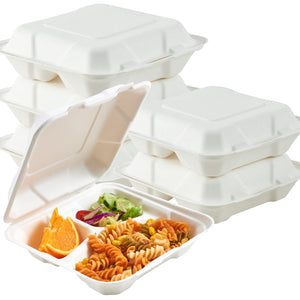
Ecolipak offers an excellent example with its 8 inch Compostable Sugarcane 3 Compartment To Go Boxes. These compostable containers are not just an alternative to plastic; they are an upgrade. They begin as sugarcane bagasse, the fibrous pulp left over after sugar production. This agricultural byproduct is transformed into durable food and beverage packaging through a careful process.
-
Pulping: The raw bagasse fibers are cleaned and blended with water to create a pulp.
-
Molding: High heat and pressure are used to shape the pulp into sturdy containers.
-
Drying: The molded products are dried and sterilized to ensure they are food-safe.
-
Quality Check: Each item is inspected to meet strict standards for strength and safety.
This process creates compostable food packaging from sustainable materials. Sugarcane bagasse offers clear advantages over traditional options.
|
Feature |
Sugarcane Bagasse |
Paper |
|---|---|---|
|
Material Source |
Agricultural byproduct |
Requires cutting trees |
|
Durability |
Strong, oil-resistant |
Can get soggy |
|
Heat Resistance |
Safe for hot foods |
May warp or leak |
|
Compostability |
Breaks down quickly |
Often has plastic lining |
The result is a product that is both strong and responsible. Ecolipak's to-go boxes are leak-proof thanks to a double-lock closure. They are also microwave-safe, making them a convenient choice for reheating meals. The BPI certification confirms these compostable products are truly beneficial for the environment.
Building Trust with Certified Products
The BPI logo on Ecolipak's compostable packaging is a promise of trust. This certification verifies that the products will break down safely in a commercial composting facility, leaving no toxic residue behind. It assures customers that their choice actively reduces landfill waste. The BPI certification is a mark of integrity.
Quality is just as important as sustainability. Ecolipak's customers consistently find that its compostable products are sturdy and reliable. This proves that choosing a compostable option does not mean sacrificing performance.
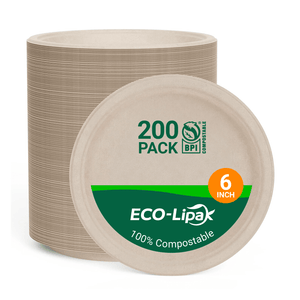
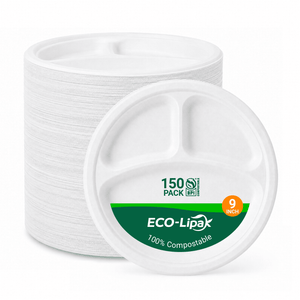
One satisfied customer shared: “I used these plates for a church event and everyone loved them. No leaks, no mess, and we felt good about helping the environment.”
This feedback shows the real-world success of BPI certified items. Users can confidently serve hot, saucy, or heavy foods in these compostable containers. Ecolipak's commitment to quality and transparency makes it easy for consumers to choose products that are good for them and the planet. The brand's BPI certification provides the ultimate peace of mind.
Green Pack, Go for ECOLipak.
How to Use BPI Certified Compostable Packaging
Using BPI certified products correctly is a simple yet powerful step toward reducing waste. It involves identifying authentic items and ensuring they reach the right disposal facility. This process helps complete the cycle from product back to soil.
Finding the BPI Certification Logo
The easiest way to identify genuinely compostable packaging is to look for the official BPI compostable logo. This mark is a clear signal that a product has passed rigorous scientific testing. Consumers can also verify a product's status with confidence. The Biodegradable Products Institute (BPI) offers tools for transparency.
-
BPI maintains an online database of every certified product.
-
People can browse the complete product listing on the BPI website.
-
This system allows anyone to confirm if a brand's BPI certification claim is authentic.
This verification step ensures that consumers support products that truly meet high standards for compostability.
Proper Disposal for a Circular Economy
Proper disposal is essential for BPI certified compostable items to fulfill their environmental promise. These products are specifically designed for commercial composting facilities. These industrial sites reach very high temperatures, allowing compostable containers to break down quickly and safely. Home composting piles usually do not get hot enough for these materials.
Consumers can locate a nearby facility using online tools. The 'Find A Composter' project, redeveloped by BPI, helps users search for local processors that accept compostable products. Sending these items to the correct facility is a key part of sustainable waste management.
The circular economy is a system designed to eliminate waste. It keeps materials in use through processes like composting. This model contrasts sharply with the traditional linear economy of 'take, make, and dispose'.
By choosing certified compostable products and disposing of them correctly, consumers actively participate in a circular economy. This action turns waste into a valuable resource, reduces landfill burden, and helps protect the planet.
Choosing certified products is a direct way to support a circular economy. This simple action helps reduce waste and conserve natural resources. Consumers can look for the BPI logo on compostable packaging to make informed decisions. Trusted brands like Ecolipak provide reliable compostable containers, proving sustainability and quality go hand-in-hand. This choice empowers everyone to make a confident and positive environmental impact, one product at a time.
FAQ
What is the difference between compostable and biodegradable?
Biodegradable means a material breaks down, but it can leave toxins. A compostable product breaks down into healthy soil within a set time. It offers a safer choice for the environment.
Can I put BPI certified items in my home compost?
Most certified items need the high heat of commercial composting facilities. Home compost piles usually do not get hot enough. Always check the product's instructions for proper disposal.
Are products like Ecolipak's to-go boxes safe for food?
Yes. Certified products must pass tests to ensure they are non-toxic and safe for food contact. They are made from materials like sugarcane, which is a natural and food-safe resource.
Why can't I recycle these compostable products?
These items are made from organic materials, not plastic or paper meant for recycling. Mixing them can contaminate the recycling stream. Proper composting turns them back into soil.