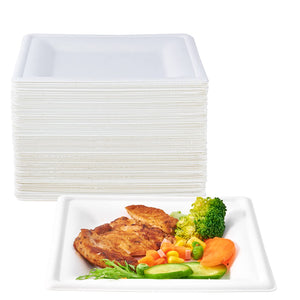
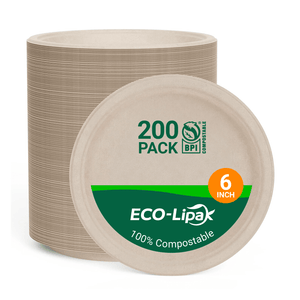
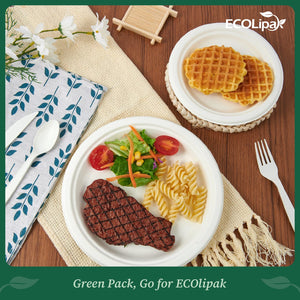
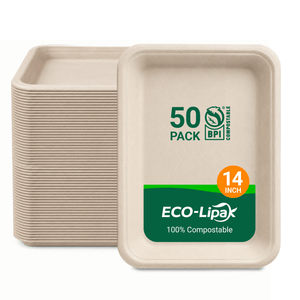
You make a big difference in your health and your meals when you choose natural fibers. Many bakeries now use compostable sugarcane plates because they keep artisan bread fresh and let it breathe. This helps maintain a crispy crust and prevents soggy bottoms, which is essential for the true From Farm to Table experience. People are seeking eco-friendly packaging, and by choosing compostable sugarcane plates for your food, you’re helping protect the planet while enjoying a sustainable dining solution.
Key Takeaways
Choosing sugarcane fiber plates helps keep artisan bread fresh by absorbing moisture and preventing soggy bottoms.
Sugarcane fiber is eco-friendly, biodegradable, and compostable, breaking down in just a few months to enrich the soil.
Using sugarcane plates reduces reliance on harmful plastics, ensuring safer meals free from toxic chemicals.
Support sustainable dining by opting for sugarcane fiber products, which lower your carbon footprint and help protect the environment.
Enjoy the benefits of natural fiber in your diet by incorporating fiber-rich foods like fruits and vegetables for better health.
Sugarcane Fiber Basics
What Is Sugarcane Fiber?
Sugarcane fiber, also called bagasse, comes from the stalks of the sugarcane plant. You find this fiber after all the sweet juice gets squeezed out. The leftover part is dry, strong, and full of plant material. This fiber is not just waste—it is a valuable resource for making eco-friendly products.
Here is how sugarcane fiber is made:
Farmers harvest sugarcane stalks and send them to a mill.
Machines press the stalks to remove the juice, leaving behind the fibrous bagasse.
Workers blend the bagasse with water to create a soft pulp, much like wood pulp.
Factories use heat and pressure to mold the pulp into plates, bowls, and other packaging.
Sugarcane fiber contains cellulose, hemicellulose, and lignin. These plant parts give the fiber its strength and make it useful for many products. You can find sugarcane fiber in packaging, paper, and even as fuel in some factories.
Natural Properties
Sugarcane fiber has special qualities that make it perfect for food packaging, especially for artisan bread. The fiber is strong, safe, and kind to the environment. It also helps keep bread fresh by letting air flow and absorbing extra moisture. This means your bread stays crisp on the outside and soft inside—no more soggy bottoms!
Here is a table showing the key properties of sugarcane fiber:
Property |
Description |
|---|---|
Compostability |
Breaks down in compost in about 60 days. |
Biodegradability |
Turns into nutrient-rich soil when composted. |
Durability |
Stays strong with hot, cold, or oily foods. |
High Temperature Tolerance |
Handles heat up to 200°F without melting. |
Grease and Water Resistance |
Keeps food quality by blocking moisture and grease. |
Insulation Properties |
Maintains food temperature, hot or cold. |
Breathability |
Absorbs moisture, keeps bread and produce drier and fresher. |
Tip: Many boutique bakeries and brunch shops now use sugarcane fiber plates to serve artisan bread. You get a crisp crust and a fresh taste, all while helping the planet.
Breathability for Artisan Bread
How Fiber Keeps Bread Fresh
You notice that artisan bread tastes best when it stays fresh and crisp. Sugarcane fiber plates help you achieve this by allowing air to circulate around your bread. The natural fibers absorb extra moisture, which prevents the bottom from becoming soggy. This breathability keeps the crust firm and the inside soft.
Many boutique bakeries and brunch shops use sugarcane fiber plates because they want to protect the quality of their bread. When you place warm bread on a sugarcane plate, the plate absorbs steam and excess water. This process helps maintain the bread’s texture and flavor.
Scientific studies show that breathable packaging improves bread freshness and shelf life. The table below compares different packaging types and their effect on water retention:
Day |
Packaging Type |
Water Retention Effect |
|---|---|---|
1 |
All types |
Highest bound water |
3 |
All types |
Declining water retention |
6 |
PE film |
Significant moisture loss |
6 |
DM film |
Relatively stable moisture |
6 |
1.25% Ceo film |
Relatively stable moisture |
9 |
1.25% Ceo film |
Superior moisture retention compared to PE and DM films |
You see that breathable materials, like sugarcane fiber, help bread retain moisture longer than plastic films. This means your bread stays fresher for more days.
Tip: Sugarcane fiber plates absorb excess moisture, so you avoid soggy bottoms and enjoy a crisp crust every time.
Crust and Texture Benefits
You want your artisan bread to have a golden crust and a soft, airy interior. Sugarcane fiber plates support these qualities by managing moisture and letting your bread breathe. The fiber’s structure pulls away steam from the bread’s surface, which keeps the crust from getting soft or sticky.
Artisan bakeries benefit from using sugarcane fiber packaging in several ways:
Renewable and biodegradable
Reduces carbon footprint
Transforms waste into useful packaging materials
Eco-friendly and biodegradable
Durable and resistant to high temperatures (up to 200°F)
Grease and water resistant
Freezer safe
High insulation properties, maintaining internal temperature
Longer shelf life for products due to moisture absorption and breathability
When you choose sugarcane fiber plates, you support bakeries that care about the environment. These plates break down naturally within a few months, unlike plastic plates that can last for hundreds of years. You help reduce plastic waste and protect the planet.
Note: Sugarcane fiber plates keep bread fresh, maintain crust quality, and support sustainable baking. You make a positive impact every time you use them.
Ecolipak’s Compostable Sugarcane Plates
Eco-Friendly Features
You help the planet every time you choose Ecolipak’s compostable sugarcane plates. These plates use renewable sugarcane bagasse, which comes from the stalks left after juice extraction. Factories mold this fiber into sturdy plates without adding harmful chemicals. You support sustainability because these plates break down in compost within 45 to 90 days, turning into nutrient-rich soil. Ecolipak plates meet strict standards like ASTM D6400, EN 13432, and BPI Certification, so you know they are safe for the environment.
Made from 100% compostable sugarcane bagasse
Fully biodegradable, breaking down quickly in compost
Certified by BPI and other top standards
Leak-proof and sturdy without extra coatings
Microwave and freezer safe for versatile use
Available in multiple sizes for different meals
Manufactured in facilities that recycle waste and use clean energy
You save water and energy because you do not need to wash these plates. You also reduce plastic waste, which helps protect green spaces and wildlife. Ecolipak’s plates support the trend of artisanal baking by keeping bread fresh and crisp. The natural fiber absorbs excess moisture, preventing soggy bottoms and making them ideal for boutique bakeries and brunch shops.
Health and Safety Advantages
You protect your health when you use Ecolipak’s sugarcane plates. These plates do not contain BPA or fluorinated compounds, which are often found in plastic and Styrofoam plates. Studies show that chemical migration from sugarcane plates into food is minimal and well below safety limits. You enjoy a safer dining experience because these plates do not leach toxins into your meals.
Free from harmful chemicals like BPA
Minimal risk of chemical migration into food
Clean production with no risky additives
Supports food safety and hygiene
Attribute |
Sugarcane Fiber Plates |
Plastic Alternatives |
Paper Alternatives |
|---|---|---|---|
Stiffness |
High |
Moderate |
Low |
Heat Stability |
Good |
Excellent |
Poor |
Moisture Resistance |
Decent |
High |
Low |
Food Safety |
Clean production, no harmful additives |
Varies by manufacturer |
Risk of contamination from reuse |
Sensory Experience |
Earthy texture, matte finish |
Varies |
Porous, less appealing |
You make a healthy choice for yourself and the planet when you select Ecolipak’s compostable sugarcane plates.
From Farm to Table Sustainability
Sugarcane Fiber Journey
You see the journey of sugarcane fiber as a perfect example of From Farm to Table sustainability. Farmers harvest sugarcane and extract the juice for food products. The leftover stalks, called bagasse, become the starting point for eco-friendly packaging. You follow this process step by step:
Bagasse Collection and Preparation: Workers collect and dry the bagasse after sugar extraction.
Pulping and Screening Processes: Factories grind the dried bagasse into a slurry and screen it to remove impurities.
Molding and Pressing Techniques: Machines shape the pulp under high heat and pressure to form plates and packaging.
Trimming, Shaping, and Finishing: Technicians trim and finish each plate to meet quality standards.
Quality Control and Inspection: Inspectors check every product to ensure safety and compostability.
You notice that each step supports the From Farm to Table philosophy. The process uses renewable resources and avoids waste. Sugarcane fiber packaging connects the farm directly to your table, making your dining experience more sustainable.
Environmental Impact
You help the planet when you choose sugarcane fiber packaging. From Farm to Table sustainability means you reduce waste and support cleaner production. Sugarcane fiber decomposes within months, leaving no toxic residues. The cultivation of sugarcane absorbs carbon dioxide, which lowers greenhouse gas emissions. Repurposing bagasse prevents harmful emissions from burning agricultural waste.
Here is a table comparing sugarcane fiber packaging to traditional plastic packaging:
Aspect |
Sugarcane Fiber Packaging |
Traditional Plastic Packaging |
|---|---|---|
Biodegradability |
Decomposes within months, leaves no toxins |
Takes hundreds of years to break down |
Carbon Absorption |
Absorbs CO₂ during cultivation |
No carbon absorption |
Waste Reduction |
Uses bagasse, reduces agricultural waste |
Adds to plastic waste |
Energy Use |
Uses biomass energy, lowers emissions |
Relies on fossil fuels |
You also see that sugarcane fiber packaging has a lower carbon footprint than other materials. For example, bagasse emits only 37 kg of CO₂e, while kraft paper emits 51 kg and cornstarch biopolymer emits 68 kg. Choosing From Farm to Table solutions like sugarcane fiber supports global sustainability goals. You help reduce landfill waste and plastic pollution. Companies and bakeries use these plates to serve artisan bread, keeping it fresh and supporting the environment. You make a positive impact every time you select sustainable packaging.
Choosing Natural Fiber
Consumer Benefits
You gain many advantages when you choose natural fiber products for your meals. Sugarcane fiber packaging stands out for its eco-friendly qualities and practical features. These plates and bowls break down quickly in compost, so you help reduce plastic waste and enrich the soil. You also support a cleaner planet because sugarcane is a renewable resource.
Sugarcane fiber products are biodegradable and compostable, turning into organic matter within months.
The plates resist grease and heat, making them perfect for hot or cold foods.
You can use them in the microwave or freezer without worry.
The sturdy design prevents leaks and holds up well during meals.
Sugarcane fiber packaging absorbs extra moisture, which keeps bread and produce fresher for longer.
These products offer an affordable and reliable alternative to foam or paper plates.
You also help protect green spaces and lower your carbon footprint. When you use natural fiber packaging, you support the trend of artisanal baking. Bakeries choose sugarcane plates because they keep bread crisp and prevent soggy bottoms, making every bite enjoyable.
Everyday Healthy Choices
You make healthier choices every day by using natural fiber packaging. These materials keep your food safe by blocking oxygen and moisture, which helps prevent spoilage and reduces the risk of bacteria. You avoid harmful chemicals found in some plastics, so your meals stay pure and fresh.
You can add more fiber to your diet with simple swaps. Try these foods for a fiber boost:
Green peas
Broccoli
Brussels sprouts
Sweetcorn
Carrots
Avocado
Raspberries
Coconut
Kiwi fruit
Apples (with skin)
Strawberries
Here is a table with meal ideas that use natural fiber foods:
Meal Type |
Example Choices |
|---|---|
Breakfast |
Oatmeal with berries and seeds |
Snack |
Raw vegetables with bean dip |
Lunch |
Salad or sandwich on whole grain bread |
Dinner |
Stews with beans and vegetables |
You support sustainable dining when you choose compostable sugarcane plates. These plates break down in weeks, not years, and help protect the environment with every meal. 🌱
You support a healthier lifestyle and planet when you choose Ecolipak’s compostable sugarcane plates. These plates keep artisan bread fresh by absorbing extra moisture, which helps maintain a crisp crust—perfect for the From Farm to Table trend in bakeries. You also enjoy these benefits:
Reduce reliance on non-renewable resources
Avoid harmful chemicals in your meals
Help packaging break down into nutrient-rich soil within months
Impact |
Benefit |
|---|---|
Lower carbon footprint |
Less pollution and waste in landfills |
Extended bread freshness |
Less food waste, better taste |
You make every meal safer, greener, and more delicious with Ecolipak.
FAQ
What makes sugarcane plates ideal for artisan bread?
Sugarcane plates absorb extra moisture from bread. You keep the crust crisp and prevent soggy bottoms. Bakeries love this feature because it helps bread stay fresh longer.
Are Ecolipak’s sugarcane plates safe for hot foods?
You can use Ecolipak’s plates for hot foods. The plates resist heat and do not melt. You enjoy your meal without worrying about leaks or harmful chemicals.
How do compostable plates help the environment?
You reduce plastic waste when you use compostable plates. These plates break down into soil in a few months. You help protect green spaces and support sustainability.
Can I use Ecolipak plates for parties and picnics?
You can use Ecolipak plates for any event. The plates are sturdy and easy to dispose of. You make cleanup simple and keep your gatherings eco-friendly.
Why do boutique bakeries prefer natural fiber plates?
Boutique bakeries choose natural fiber plates because they keep bread fresh. The plates let air flow and absorb moisture. You get a better crust and a tastier bite.