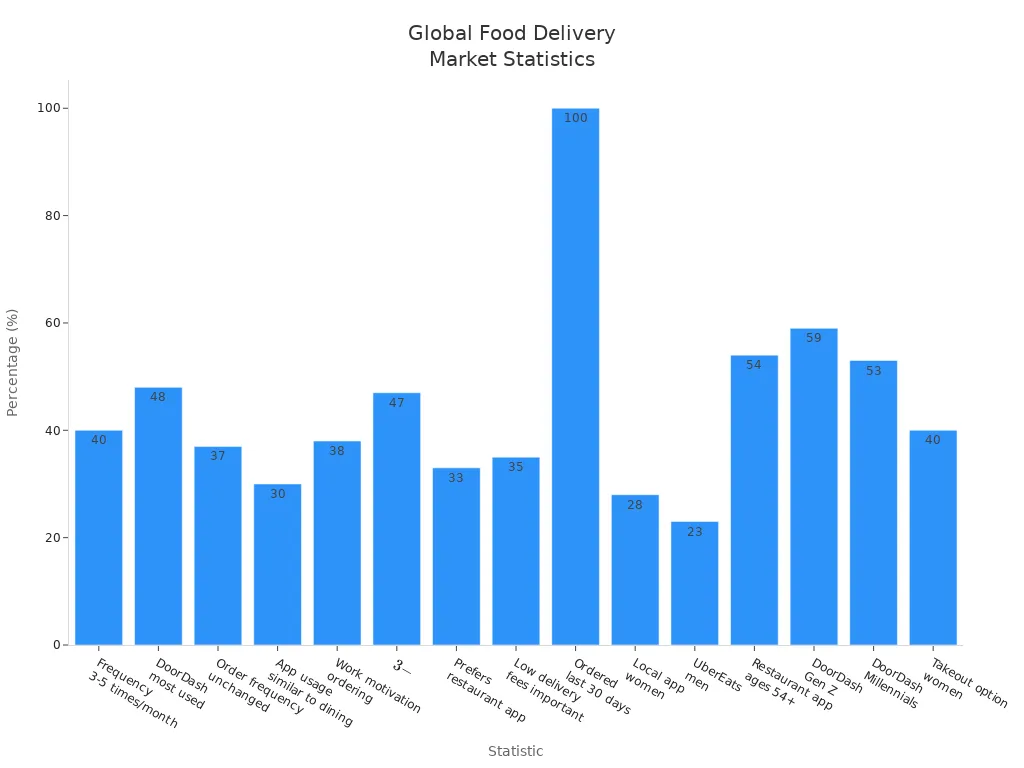
You see food delivery changing fast, and it’s not just about what lands at your door. New food service trends and shifting consumer habits shape every order you make. Check out how often people now turn to delivery apps:
Sustainability matters more than ever. Many people want compostable sugarcane plates or eco-friendly packaging, so brands like Ecolipak lead the way. Your choices help push food service and delivery toward greener solutions.
Key Takeaways
Food delivery is booming, with the market expected to grow from $380 billion in 2024 to $618 billion by 2030. This growth reflects changing consumer habits and preferences.
Sustainability is a priority for many consumers. About 36% are willing to pay more for eco-friendly packaging, showing that choices can drive greener solutions in food service.
Online ordering offers convenience and variety. You can explore many cuisines and customize meals with just a few taps on your phone, making dining easier than ever.
Ghost kitchens and virtual brands are changing the restaurant landscape. These models allow for more menu options without the need for physical dining spaces.
The gig economy supports fast delivery. Many drivers enjoy flexible work, which helps meet the growing demand for quick food service.
Food Service Trends Driving Delivery
Delivery Market Growth
You probably notice more restaurants offering food delivery than ever before. The food delivery industry is booming, and you see it in your daily life. The global food delivery market was valued at $380.43 billion in 2024. Experts expect it to reach $618.36 billion by 2030. That’s a huge jump! Hyperlocal food delivery services are also on the rise, with the market projected to grow from $540.04 billion in 2025 to $1,919.03 billion by 2034.
Asia-Pacific leads the way in this growth. Countries like China and India have massive populations and more people using smartphones. Urbanization and higher incomes push the food delivery industry forward. You see more healthy takeout meals in places like Japan and Australia. Young people in Asia love hyperlocal delivery services, making the market even bigger.
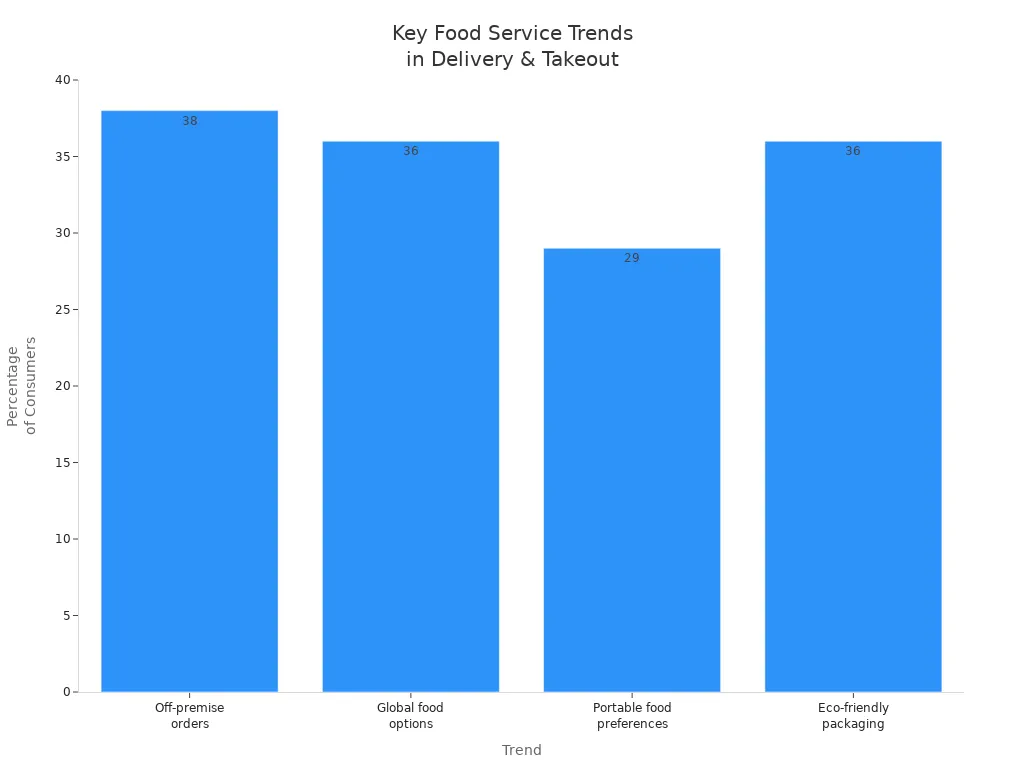
You might wonder what’s driving these numbers. Off-premises ordering now makes up 38% of restaurant sales. That means you and many others choose takeout and delivery instead of dining in. The food service trends show that people want more options and faster service.
Here’s a quick look at the biggest food service trends shaping the food delivery industry:
Trend |
Statistic/Insight |
|---|---|
Off-premise orders |
Make up 38% of restaurant sales, indicating a significant shift towards takeout. |
Demand for global food options |
36% of consumers order ethnic foods at least weekly, showing a growing interest. |
Portable food preferences |
29% of consumers seek global, grab-n-go street foods that are easy to eat. |
Eco-friendly packaging |
36% of diners are willing to pay extra for sustainable packaging options. |
Shifting Takeout Segments
You see takeout changing in big ways. People want more than just pizza or burgers. Now, 36% of consumers order ethnic foods at least once a week. Global street foods are also popular, especially with younger people. About 29% of all consumers—and 40% of those aged 18 to 34—look for grab-n-go street foods. These meals are easy to eat and perfect for busy days.
Traditional takeout categories are blending together. You find snackable items, all-day menus, and late-night options. Restaurants offer flexible ordering options to match your schedule. Price matters, too. Many people look for value-driven meals that fit their budget.
Food delivery apps play a huge role in this shift. In just one quarter of 2019, app-based delivery generated up to $5 billion in sales. You can try new foods from around the world without leaving your home. The food delivery industry keeps growing because you want variety and convenience.
Consumer Demand for Convenience
You want your meals fast and easy. That’s why online ordering is so popular. You can order food with just a few taps on your phone. Online ordering lets you skip cooking and enjoy your favorite meals at home. Urban areas see the highest use of these platforms. People in cities love the speed and convenience.
Gen Z leads the way in using food delivery apps. They want quick service and lots of choices. You probably notice that delivery time matters most, especially during busy hours. The food delivery industry knows you expect fast, reliable service.
Here’s how online ordering and delivery services improve your customer experience:
You get access to many cuisines in one app.
You can customize your meals and choose healthy options.
You enjoy hassle-free meals, perfect for busy days.
Online food ordering also helps you find eco-friendly packaging. About 36% of diners are willing to pay more for sustainable options. Brands like Ecolipak make it easy for you to support green practices. The food service trends show that you care about both convenience and the environment.
You see the food delivery industry changing fast. Off-premises ordering, new takeout segments, and online ordering shape your delivery experience. Restaurants and delivery services listen to your needs and keep improving the customer experience.
Technology Shaping Food Delivery
Mobile Apps and Digital Ordering
You probably use your phone to order dinner more than ever. Food delivery apps have changed how you get your meals. You can scroll through menus, pick your favorites, and pay in just a few taps. Here’s what people like you are choosing:
DoorDash is the top pick for 48% of users.
About 33% of people, especially younger ones, prefer ordering through a restaurant’s app.
Women often go for local restaurant apps or websites as their second choice.
Men lean toward UberEats as their next favorite.
Older adults (54+) like using restaurant apps and websites, while 59% of Gen Z and 53% of Millennials stick with DoorDash.
Young adults (18-25) use food delivery apps about twice a week.
You see this trend because it’s easy, fast, and you can avoid waiting in line. App-based delivery lets you try new places without leaving home. Digital payments and loyalty programs make it even better. You earn rewards, get special deals, and find it simple to pay. These features keep you coming back for more.
AI and Personalization
You notice that your favorite food delivery app seems to know what you want. That’s artificial intelligence at work. AI looks at your past orders and suggests meals you might like. It even understands your feedback and changes recommendations over time.
The study shows that AI makes customers happier. You get faster service, more accurate orders, and better support when something goes wrong.
Here’s a quick look at how AI helps:
Metric |
Result |
|---|---|
Increase in sales |
23% |
Effect of personalized suggestions |
Higher conversion rates |
AI-powered chatbots answer your questions quickly. You spend less time waiting and more time enjoying your meal.
Automation and Robotics
You might see robots or drones delivering food in some cities. Companies like Serve Robotics, Coco, and Uber use self-driving robots for delivery in busy areas. DoorDash works with Wing to use drones for super-fast delivery in Texas. In China, Meituan sends food by drone to kiosks in parks.
Modern delivery platforms use smart systems to pick the fastest routes. This means your food arrives hot and on time. Restaurants use AI to manage inventory and plan deliveries, which helps lower costs and speed up service.
Food delivery keeps getting smarter. You get your meals faster, with less hassle, and more choices every day.
Takeout Trends and Consumer Preferences
Health and Lifestyle Choices
You care about what you eat, and you want your food to match your lifestyle. Health and sustainability now shape takeout trends as much as convenience. Many people look for meals with clear labels showing protein and fiber. You see more gluten-free, vegan, and keto options on menus. Restaurants know you want whole ingredients and balanced meals. Pre-prepared meals are also popular, especially if you have a busy schedule or need help with meal prep.
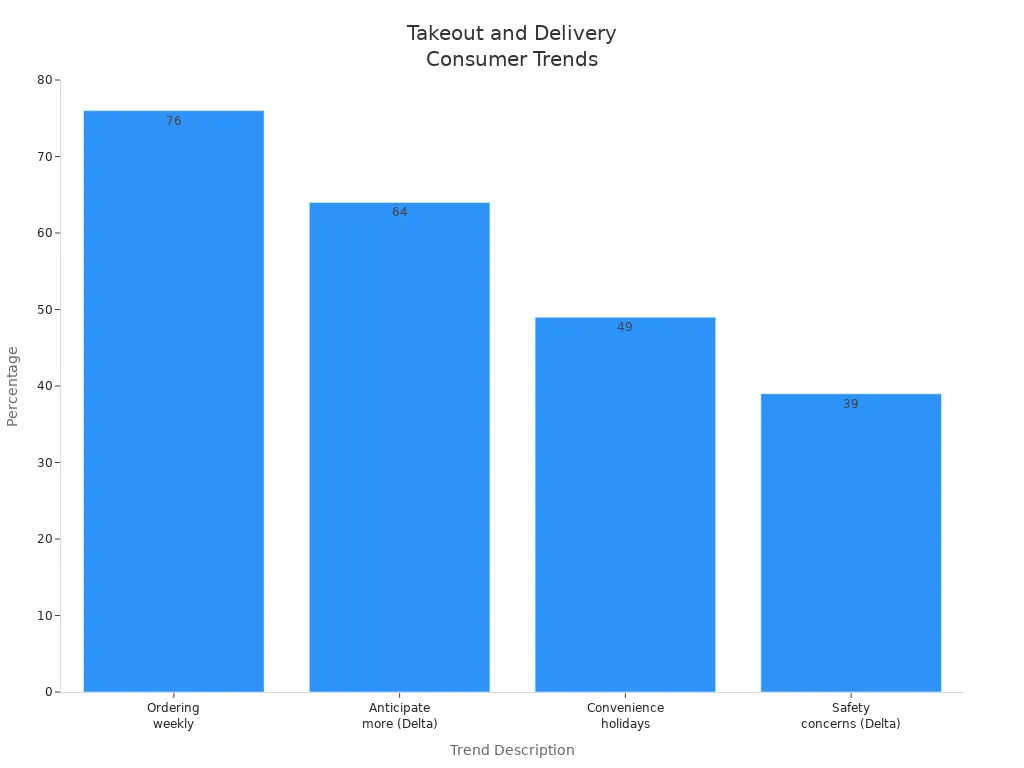
Ordering takeout is part of daily life for most people. In fact, 76% of diners order takeout or delivery at least once a week. You might choose takeout for safety, especially during times like the Delta variant. During holidays, 49% of people pick takeout for convenience. Here’s a quick look at why people order:
Local and Unique Food Experiences
You want more than just the usual pizza or burgers. Local and unique food experiences are a big part of today’s takeout trends. Hyperlocal food delivery services bring you meals from nearby restaurants and small businesses. You get to try new flavors and support your community at the same time. Technology helps you find these options with real-time tracking and personalized menus.
Restaurants use local sourcing and micro-fulfillment centers to make delivery faster and fresher. Many places now offer organic, allergen-free, and wellness-focused foods. You see more niche markets and special menu items that fit your needs. This makes your delivery experience more exciting and personal.
Ecolipak’s Role in Sustainable Takeout
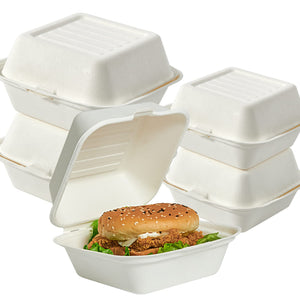
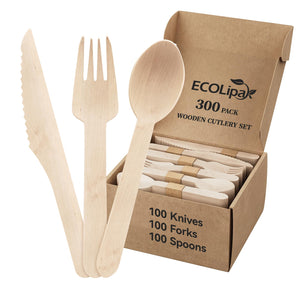
You want your takeout to be good for the planet, too. Ecolipak helps you make better choices with compostable plates, bowls, and to-go boxes made from sugarcane bagasse. You can enjoy your meal knowing your packaging is eco-friendly and strong enough for any food. Ecolipak also offers bamboo cutlery and compostable cups, perfect for both hot and cold foods.
Many customers love how Ecolipak products make restaurant takeout greener without losing quality. You help reduce waste and support sustainability every time you choose these options. Ecolipak’s solutions fit the latest trends in off-premise orders and delivery-friendly menu items, making your customer experience better for you and the environment.
New Models in Takeout and Delivery
Ghost Kitchens and Virtual Brands
You might notice new restaurants popping up on your favorite food delivery app. Sometimes, you cannot visit these places in person. These are ghost kitchens and virtual brands. Ghost kitchens cook food just for delivery or takeout. They do not have a dining room. You order online, and they prepare your meal behind the scenes. This model helps restaurants save money on rent and staff. It also lets them test new ideas fast. Virtual brands use the same kitchen but offer different menus. You get more choices without seeing a new building in your neighborhood.
Tip: Try a virtual brand next time you order takeout. You may discover a new favorite meal!
Third-Party vs. Direct Delivery
You have two main ways to get your food. You can use third-party apps like DoorDash or Uber Eats. These apps show you many restaurants in one place. They handle the delivery for you. Some restaurants offer direct delivery. You order from their website or app, and their own team brings your food. Third-party apps give you lots of options and deals. Direct delivery can be faster and sometimes cheaper. Restaurants like direct delivery because they keep more profit. You get to pick what works best for you.
Option |
Pros |
Cons |
|---|---|---|
Third-Party |
Many choices, easy to use |
Extra fees, slower |
Direct |
Faster, supports business |
Fewer options |
Workforce and Gig Economy
You see many people working as delivery drivers. The gig economy makes this possible. Drivers pick up shifts when they want. They use their own cars or bikes. This helps the delivery market grow fast. Many workers like the freedom. Some want more job security and benefits. The gig economy changes how people work in food delivery and takeout. You get your meals quickly because of these workers. The market keeps changing as more people join or leave these jobs.
Note: Next time you get takeout, remember the drivers who make fast delivery possible.
Sustainable Packaging Innovations
Ecolipak’s Compostable To Go Boxes
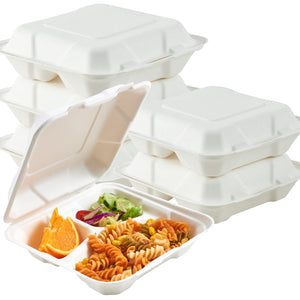
You want your food to arrive fresh and safe, but you also care about the planet. Ecolipak’s compostable to go boxes make that possible. These boxes use sugarcane bagasse, which means they are strong, leakproof, and break down naturally after use. You can heat up your leftovers in the microwave or store them in the fridge without worry. Many customers say these boxes keep their meals organized and mess-free, thanks to the three compartments. You help protect green spaces every time you choose Ecolipak. In 2024, people like you helped save 125,000 square meters of green space by using over 59 million eco-friendly products from Ecolipak.
You are not alone in wanting better packaging. About 73% of people worldwide say they will change their habits to help the environment. In restaurants, 67% of diners prefer places that use sustainable packaging, even if it costs a bit more. Cities like Seattle and San Francisco now ban foam containers, so compostable options matter more than ever.
Eco-Friendly Packaging Trends
You see new trends in packaging every year. Some companies use edible wrappers made from rice paper. Others try seed-infused boxes that you can plant after use. Pizza shops use compostable boxes made from sugarcane and bamboo. Big brands like Starbucks and McDonald’s now test compostable cups and cutlery. Grocery stores like Whole Foods use compostable bags and trays. These changes show that sustainability is not just a buzzword—it’s the future of delivery.
Check out some popular materials for eco-friendly packaging:
Bamboo: Fast-growing and reusable.
Banana leaves: Antibacterial and low-cost.
Paper and cardboard: Easy to recycle.
Bioplastics: Made from plants like corn and sugar.
Reducing Waste in Delivery
You can help cut down on waste with a few smart choices. Restaurants now use better package designs to reduce extra material. They pick sustainable materials and avoid too much wrapping. Some use just-in-time inventory to keep packaging waste low. Others combine shipments to save on boxes and labor. Automation helps pack orders with less waste. Many places set up waste management systems to handle leftovers and packaging.
Did you know that 30% of all municipal solid waste comes from packaging? When you choose sustainable options, you help lower that number. You also boost your favorite brands, since many people—especially millennials—prefer to buy from companies that care about sustainability.
Ecolipak makes it easy for you to enjoy delivery while supporting a cleaner planet. Your choices matter, and together, you drive the trends that shape the future of food service.
Challenges and Opportunities in Delivery
Cost and Profitability Pressures
You might think food delivery is easy money, but restaurants face big challenges. High commission fees from third-party apps eat into profits. Many owners say these fees are their biggest problem. You also see delivery delays and rising labor costs. These issues make it tough for small businesses to stay ahead.
Here’s a quick look at the main challenges:
Challenge |
Statistic |
|---|---|
High commission fees |
72% of restaurants cite this as their most significant challenge |
Delivery delays |
38% of customers express frustration over late arrivals |
Operational complexities |
Many restaurants report increased labor costs due to managing delivery |
You want your food fast, but every step adds cost for the restaurant. When you order, you help support local businesses working hard to balance quality and price.
Regulatory and Safety Issues
You see new rules for food delivery in many cities. Some places set limits on how much apps can charge restaurants. These rules try to protect small businesses, but they can also change how you order. Sometimes, you notice fewer choices or higher prices.
Regulatory Action |
Description |
Implications |
|---|---|---|
Commission Fee Caps |
Some cities have implemented caps on delivery commissions to protect restaurants. |
These regulations can reduce order volume for small businesses and shift consumer demand towards chain restaurants. |
Safety matters, too. Restaurants must follow strict guidelines to keep your food safe. You trust that your meal arrives fresh and handled with care.
Future Opportunities
You will see exciting changes in delivery soon. Contactless ordering is getting more popular. You control your order from start to finish, which feels safer and easier. Mobile order-ahead services let you skip the wait. Restaurants now offer healthier menu options because you want better choices. Drive-thru and curbside pickup give you more ways to get your food without going inside.
Trend |
Description |
|---|---|
Contactless Ordering |
Increasing popularity due to health concerns and convenience, allowing customers to control their orders. |
Mobile Order-Ahead Services |
Efficient channel that reduces wait times significantly, enhancing customer experience. |
Healthier Menu Options |
Shift towards offering healthier choices in response to consumer demand for better food options. |
Drive-Thru and Curbside Pickup |
Adaptations by restaurants to serve customers without increasing indoor capacity, ensuring safety. |
Tip: Try a new way to order next time. You might find it faster and more fun!
You shape the future of food delivery with every choice you make.
You see food delivery changing fast because of new tech, shifting habits, and a bigger focus on the planet. When you stay up to date, you get better choices and help businesses grow. Check out how the market is booming:
Statistic |
Value |
|---|---|
CAGR |
10.7% |
2024 Revenue |
$156.75B |
2025 Revenue |
$173.57B |
Younger people want speed and convenience. Ecolipak’s compostable packaging helps you make greener choices. If you follow these trends, you enjoy better meals and support a cleaner world.
FAQ
How do I know if Ecolipak’s to-go boxes are really compostable?
You can check the packaging for compostable labels. Ecolipak uses sugarcane bagasse, which breaks down naturally. You can toss these boxes in your compost bin. They leave no plastic behind.
Can I microwave Ecolipak’s to-go boxes?
Yes, you can! These boxes handle the microwave well. You can reheat leftovers without worry. The sturdy material keeps your food safe and mess-free.
What should I do if my order arrives damaged?
If you get a damaged product, contact Ecolipak’s support team right away. You can find help on the FAQ page or reach out by email. The team will solve your problem quickly.
Are Ecolipak’s products safe for hot and cold foods?
Absolutely! You can use Ecolipak’s plates and boxes for both hot and cold meals. They won’t leak or break. You get strong, reliable packaging every time.