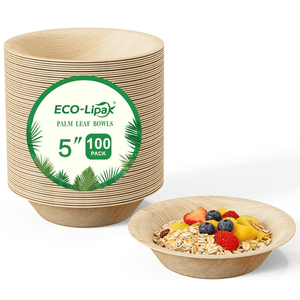
Imagine your hands brushing over a palm leaf bowl, feeling the natural grain and earthy texture before you taste your meal. You can remember a time when the crunch of a fresh salad or the creaminess of mashed potatoes made your food unforgettable. Tactile dining blends science and art, letting the multisensorial nature of touch and taste shape your satisfaction. Palm leaf bowls from Ecolipak offer a tactile experience that feels organic and real. Tactility can elevate your meals, inviting you to explore biophilic design and the calming effect of natural materials.
Key Takeaways
Tactile dining enhances your eating experience by engaging multiple senses, making meals more memorable.
Using natural materials like palm leaf plates can lower stress and improve satisfaction during meals.
Texture plays a crucial role in flavor perception; combining different textures can elevate your dining experience.
Mindful eating practices, such as focusing on texture and temperature, can deepen your connection to food.
Choosing eco-friendly tableware supports sustainability and enriches your sensory dining experience.
The Science of Tactile Dining
Multisensory Eating Explained
You use more than just your taste buds when you eat. Your senses work together to create a multisensory dining experience. When you touch a plate or bowl, your brain starts to build expectations about the meal. The science behind flavor shows that the interaction between touch, smell, sight, and taste shapes your perception of food.
Researchers found that the timing of smells can change how sweet something tastes. If you smell retronasal odors right after tasting, your brain thinks the food is sweeter. This shows that multisensory perception is not just about mixing senses. It is also about when you experience them. The combination of flavors, ingredients, and culinary techniques can lead to fusion or confusion. Careful pairing enhances the tasting experience, while poor combinations may cause confusion.
Biophilic design uses natural materials like wood and leaves to create calming spaces. Studies show that touching these materials can lower cortisol levels, which helps reduce stress. When you use palm leaf plates or bowls, you connect with nature. This connection makes your sensory dining experience more relaxing and enjoyable. You feel the texture, see the natural grain, and smell the earthy aroma. These sensations work together to make your meal memorable.
Tactility and Flavor Perception
Tactility plays a big role in how you enjoy food. The texture of a plate or bowl can change your perception of flavor. A study at the Basque Culinary Center showed that smooth and shiny textures can amplify umami, making flavors feel fuller and deeper. When you eat from a palm leaf plate, you notice the unique grain and natural patterns. This tactile dining experience adds depth to your meal.
Many artists and designers have explored the importance of tactility in sensory dining. For example:
Krisztina Czika’s workshop used wax to add intimacy and even pain to eating.
Philips created vibrating cutlery to help you slow down during food consumption.
Jinhyun Jeon designed textured spoons that stimulate both taste and touch.
Ingrid Rügemer’s smoothie cups use tactile elements to evoke sensuality.
Heavier plates or cups can make food and drink taste better, linking tactility to perceived quality.
Filippo Tommaso Marinetti’s Tactile Dinner Party let guests choose partners based on tactile preferences and eat without cutlery.
These examples show that tactility influences your eating experience. When you use natural materials, you get a richer sensory dining experience. You feel the weight, texture, and warmth of the plate. This makes your meal more satisfying and helps you connect with the gastronomic world in a new way.
You can see how multisensory experiences shape your perception of food. The science behind flavor and touch proves that sensory dining is more than just taste. It is about how all your senses work together during food consumption. When you pay attention to tactility, you unlock new levels of enjoyment and satisfaction.
Tactile Dining in Daily Life
Texture Profiles and Mouthfeel
You notice texture every time you eat. The crunch of chips, the creaminess of mashed potatoes, and the smoothness of pudding all create unique sensory dining moments. Many neurodivergent individuals react strongly to food textures. Some prefer crunchy foods, while others avoid soft or moist dishes. You experience these differences in daily meals.
Here are some common texture profiles found in popular cuisines:
Crisp: Chips and crackers give you a burst of flavor.
Creamy: Purées and soups release flavor slowly and feel rich.
Crunchy: Fresh vegetables and nuts add brightness and freshness.
Smooth: Puddings and sauces provide comfort and richness.
Velvety: Custards and creams offer satisfaction and a luxurious mouthfeel.
You can combine textures to enhance your meal. For example:
Creamy soup with crispy croutons.
Tender fish topped with toasted seeds.
Silky pasta tossed with crispy pancetta.
Cold sorbet paired with warm crumble.
These combinations create a dynamic interaction between your senses and your perception of food quality. A case study with Marinetti Cubes showed that guests could sense differences in taste and mouthfeel based on the textures they touched. This proves that tactile dining shapes your gastronomic experience during food consumption.
Sensory Dining Memories
Your sensory dining memories influence your food preferences. When you remember a meal, you recall not just the taste but also the texture and how it made you feel. Tactile memories and mouthfeel play a big role in your perception of food quality and desirability. Sensory experiences, including touch and taste, interact to shape your choices.
Sensory dining memories create emotional connections. You may crave certain foods because they remind you of comfort or nostalgia. Positive experiences anchor foods in your memory, leading to repeat choices and loyalty. Early exposure to diverse textures can foster balanced eating habits and influence long-term dietary preferences.
Tip: Using natural materials like palm leaf plates at business lunches can enhance satisfaction. Biophilic design lowers stress and improves the sensory experience, making meals more enjoyable.
Ecolipak and Sustainable Sensory Dining
Compostable Square Palm Leaf Plate Experience
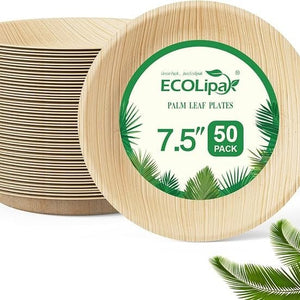
You can transform your sensory dining with Ecolipak’s Compostable Square Palm Leaf Plate. These plates offer a unique tactile dining experience that goes beyond simple food consumption. When you touch the plate, you feel the natural grain and sturdy build. This interaction with the plate changes your perception of the meal. Each plate has its own pattern, making every setting special and inviting conversation at the table.
Here is a quick look at what makes these plates stand out:
Feature |
Description |
|---|---|
Sturdiness |
Handles heavy foods like steak or burgers with ease. |
Heat Resistance |
Stays strong with hot or saucy dishes. |
Unique Aesthetic |
Each plate has a natural grain pattern, adding beauty and interest to your dining table. |
Many customers share positive stories about using these plates. You might hear families say they serve large portions without worry. Event planners trust the plates for barbecues and parties. Users often mention that the plates do not bend or leak, even with saucy foods. This reliability helps you focus on enjoying your meal and the company around you.
Eco-Friendly Tactility at the Table
Choosing natural materials like palm leaf plates brings many benefits to your sensory dining. You help the planet because these plates biodegrade in months, not centuries like plastic. They enrich the earth as they break down, returning nutrients to the soil. You also support a cycle that uses renewable resources and saves energy and water during production.
Here are some reasons why palm leaf plates are a smart choice:
Made from naturally fallen leaves, so no trees are cut down.
Require less energy and water to produce than plastic.
100% biodegradable and compostable, making cleanup easy and green.
Natural materials also improve your sensory experience. The feel of the plate encourages mindful eating. The gentle sound of palm leaf tableware creates a peaceful atmosphere. You notice the difference in taste and perception when you use eco-friendly products. In fast-paced business lunches, these plates can help guests slow down and enjoy the moment. This follows the principles of biophilic design, which uses nature to create calm and satisfaction during gastronomic experiences.
Practical Applications of Tactile Dining
Food Development and Packaging
You see the impact of tactility every time you pick up a food package or plate. The food industry uses texture and touch to shape your sensory dining experience. Companies add soft-touch coatings to packaging for a silky feel. Some brands use unique cover materials that remind you of cloth or even crocodile leather. Raw board and special laminations create a tactile synergy with other materials. Designers often use debossing and embossing to make 3D textures that invite your fingers to explore.
Studies show that the feel of a food container can change your perception of taste. This effect, called sensation transfer, means that packaging texture influences how you react to food. When you touch a sturdy, natural-feeling plate, you may believe the food inside tastes better. Food developers pay close attention to these details to improve your eating experience.
Here are some main considerations for food developers:
Consideration |
Description |
|---|---|
Prioritize product safety |
Use packaging that keeps food fresh and safe for food consumption. |
Communicate brand identity |
Add colors, graphics, and stories to help you recognize the product. |
Embrace sustainability |
Choose eco-friendly materials and designs to meet your expectations and protect the planet. |
Sensory Marketing Strategies
You notice how brands use tactile elements to connect with you. Sensory marketing uses touch to shape your perception of quality and value. When you feel a pleasant texture or hold convenient packaging, you often link that product to high quality. Unique tactile features can make you remember a brand and feel more attached to it.
Eco-friendly design plays a big role in sensory dining and marketing. For example, some brands use mono-material packaging that looks luxurious and is easy to recycle. Others use tools to measure the environmental impact of materials, making sure their products are both responsible and appealing. Ecolipak stands out by offering palm leaf plates that combine natural texture with sustainability. This approach creates a positive consumer experience and supports your desire for green choices.
Retailers also encourage you to touch products in stores. This interaction helps you form a deeper emotional connection and can lead to higher sales. In the world of eating design, tactile elements turn ordinary meals into memorable culinary experiences. You become part of the gastronomic story through every touch, sight, and taste.
The Science Behind Flavor and Touch
Key Studies on Tactile Dining
You can see how the science behind flavor connects touch and taste. Researchers have explored how tactile sensations shape your perception of food. One study found that participants with high self-control rated food more positively when they touched it directly. Another experiment showed that people evaluated cheese differently based on whether they touched it with their hands or utensils. These findings suggest that your interaction with food changes your eating experience.
Study Focus |
Findings |
Implications |
|---|---|---|
Direct Touch of Food |
Participants with high self-control rated food more positively when touched directly. |
Enhances sensory experience and increases food consumption volume for high self-control consumers. |
Experiment with Cheese |
Participants evaluated cheese differently based on touch method (direct vs. indirect). |
Sensory processing varies with self-control levels in food consumption. |
Many studies highlight the importance of touch in flavor perception. For example, research with visually impaired consumers showed that textures can enhance flavors, especially umami. Another review explained that touch cues sometimes strongly influence taste, but not always. The relationship between touch and flavor perception depends on context and presentation.
Real-World Impacts on Eating Behavior
You experience the effects of tactile dining every day. Directly touching food makes your eating experience more enjoyable and appealing. People with high self-control often find food tastes better and feels more satisfying when they use their hands. The positive evaluation of food comes from the interaction between self-control thinking and direct touch.
Direct touch enhances the sensory experience and increases enjoyment.
High self-control individuals report greater satisfaction when eating with their hands.
The way you touch food influences your perception and can lead to increased consumption.
The food industry pays attention to these findings. Companies design packaging and tableware with haptic properties that influence consumer experience. Touch cues such as shape, texture, and weight affect your perception more than visual cues. You often touch products to assess quality, and longer touch duration happens when materials vary more. The trend of eating with hands shows how intrinsic product characteristics affect hand-feel and perception.
Biophilic design uses natural materials like palm leaf plates to create calming spaces. Touching these materials can lower stress and improve satisfaction during gastronomic and culinary experiences. You benefit from mindful eating design that connects you to nature and enhances your perception of food.
Enhancing Your Sensory Dining Experience
Mindful Eating with Texture
You can make every meal more memorable by paying attention to texture. Start by chewing slowly and noticing how foods change in your mouth. Crisp snacks may turn soft, while chewy foods can melt into creamy bites. Touch your ingredients before and after cooking. Feel how firmness, weight, and moisture shift as you prepare your meal. Listen to the sounds in your kitchen. Sizzling, crackling, or simmering noises tell you about the food’s transformation.
Try comparing textures side by side. Taste roasted and steamed vegetables together. Notice the difference between chilled and warm dishes. Cook one ingredient in several ways, like potatoes roasted, boiled, mashed, or fried. Describe what you feel out loud. Words like silky, crunchy, or springy help you remember the experience. This mindful approach connects you to the gastronomic world and helps you enjoy each bite.
Tips for Home and Events
You can enhance tactile dining at home or during events with a few simple steps:
Turn texture exploration into a fun game. Try texture matching activities or a scavenger hunt using items around your home.
Start with familiar materials, such as soft fabrics or smooth stones. Gradually introduce new textures to keep things interesting.
Use clear containers to organize different materials. This makes it easy to see and choose what you want.
Offer a mix of sensations. Include rough, smooth, soft, and squishy items for variety.
Rotate materials often to keep everyone engaged.
Serve foods at different temperatures to highlight texture. Keep crunchy and creamy foods separate on the plate.
Begin with small texture changes. Let everyone explore new foods without pressure.
Palm leaf plates and bowls from Ecolipak add a natural touch to your table. Each plate has unique grain patterns and colors. The organic feel connects you to nature and makes every meal special. Biophilic design, which uses natural materials, can lower stress and boost satisfaction. You create a calming, eco-friendly dining space that delights your senses.
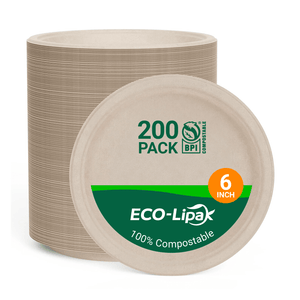
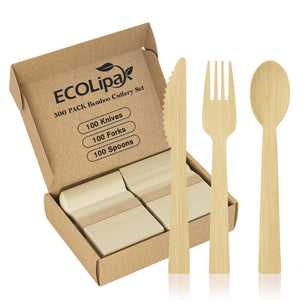
You shape your dining experience with every touch and taste. Natural textures, like those of palm leaf plates, make food feel fresher and more authentic. Unique grain patterns and earthy tones create a memorable atmosphere that plastic cannot match. Try mindful eating by setting aside time to notice colors, textures, and flavors. Explore sustainable options such as pulp, bagasse, PLA, or coconut shell tableware. Biophilic design connects you to nature and can lower stress during meals. Choose eco-friendly products to enrich your senses and support the planet.
FAQ
What is biophilic design in dining?
Biophilic design brings nature to your table. You use natural materials like palm leaves or wood. Research shows that touching these materials can lower your stress and make meals more enjoyable.
How do palm leaf plates improve my dining experience?
You feel the natural texture and grain of each plate. This tactile feedback helps you slow down and enjoy your food. You also support the planet by choosing compostable tableware.
Are Ecolipak palm leaf plates safe for hot and cold foods?
Yes! You can use them for both hot and cold dishes. The plates stay sturdy and do not leak. You can even use them in the microwave or freezer.
Why should I choose compostable tableware for events?
You help reduce waste and protect the environment. Compostable plates break down quickly. You also give your guests a unique, natural dining experience.
Can using natural tableware lower stress during meals?
Yes. Studies show that touching natural materials like palm leaves can lower cortisol levels. You create a calming atmosphere at your table with these eco-friendly choices.