Water scarcity changes how you think about sustainable dining. You face a world where water demand will soon outpace supply by 40%. Over two billion people lack access to safe water, and climate change will make water shortages worse. You see that agriculture uses 70% of freshwater, yet food production needs to grow by 60%. More than half of all food comes from places with unstable water trends. Every day, 1,000 children die because they do not have safe water. Water scarcity pushes you to consider whether using disposables, like compostable sugarcane plates, is more sustainable than ceramics. You want to make choices that protect resources and help the planet. You will find clear comparisons and practical advice about water use in dining ware.
Key Takeaways
Water scarcity is a growing issue, with demand expected to exceed supply by 40%. Choosing dining ware wisely can help conserve this vital resource.
Compostable disposables, like Ecolipak’s products, use less water in production and do not require washing, making them a sustainable choice in water-scarce areas.
Ceramics have a high water usage during manufacturing and require significant water for cleaning, which can strain local water supplies.
Compostable products break down quickly in composting facilities, reducing landfill waste and supporting a healthier environment.
Consider local waste management options when choosing dining ware. Composting facilities enhance the benefits of using compostable products.
Water Scarcity: Ceramics vs. Disposables
Manufacturing Water Use
You need to think about how much water goes into making your dining ware. Ceramics require a lot of water during production. Factories use water to shape, glaze, and fire ceramic plates and cups. This process also uses energy and creates emissions. When you choose ceramics, you support products that have a high water usage at the start.
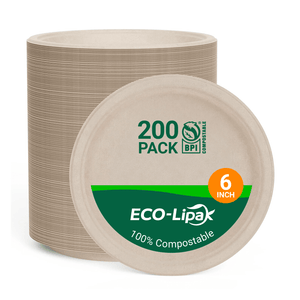
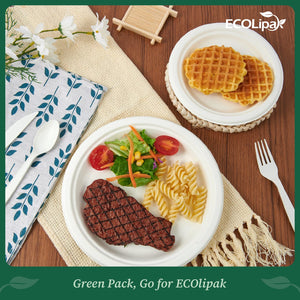
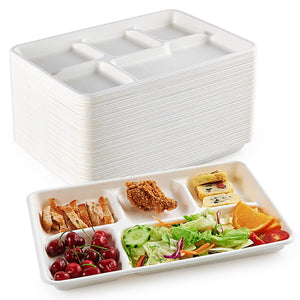
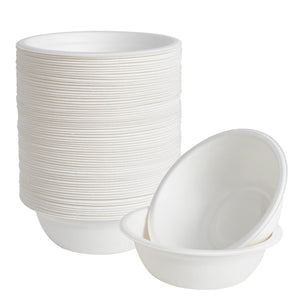
Disposables, like Ecolipak’s compostable coffee cups and sugarcane plates, use less water during manufacturing. These products come from renewable plants, such as sugarcane and paper. The process for making compostable disposables uses less water than ceramics. You help reduce the pressure on water resources when you pick these items, especially in places where water scarcity is a big problem.
Note: Ecolipak’s 12 oz Compostable Paper Coffee Cups with CPLA Lids are made from paper and plant-based materials. They do not need as much water to produce as ceramics. You can find these cups useful for events, parties, or daily routines.
Cleaning and Maintenance
You must clean ceramics after every use. Washing dishes at home or in restaurants uses a lot of water. If you live in an area with water scarcity, this daily cleaning adds up. You may use gallons of water each day just to keep your plates and cups clean. This can put extra stress on local water supplies.
Disposables do not need washing. You use them once and then compost or recycle them. This saves water every time you eat or drink. Compostable disposables, like those from Ecolipak, help you avoid using water for cleaning. You can see the difference at large events or busy cafes, where skipping dishwashing means saving thousands of gallons of water each year.
You avoid water waste with disposables.
You reduce your impact on water scarcity.
You make dining easier and faster.
Disposal and End-of-Life
You need to think about what happens after you finish your meal. Ceramics last a long time, but when they break, you cannot recycle them easily. Most broken ceramics end up in landfills. They do not break down quickly. This means they stay in the environment for many years.
Disposables, especially compostable ones, offer a better end-of-life story. Ecolipak’s compostable coffee cups and plates break down in commercial composting facilities. They turn into soil in a few months. You help the planet by choosing products that do not add to landfill waste. You also support a cycle that returns nutrients to the earth.
When you compare the full life cycle, you see some important points:
Compostable disposables may use fossil fuels in production, but they break down quickly.
Ceramics become more sustainable if you use them many times and wash them with care.
Some studies show that switching from compostable to reusable containers can save money over time, but only if you have enough water for cleaning.
You must balance your choices. In places with water scarcity, disposables like Ecolipak’s compostable products can help you save water and reduce waste. You can enjoy your meal and protect the planet at the same time.
Environmental Impact: Beyond Water
Carbon Emissions
You need to look at how dining ware affects the environment through carbon emissions. Ceramics, like stoneware and porcelain, require a lot of energy to produce. Factories fire ceramics at high temperatures, which uses electricity or gas. This process releases carbon dioxide into the air. If you use ceramics many times, the environmental impact per use drops, but the initial energy footprint stays high.
Compostable disposables, such as Ecolipak’s sugarcane plates and PLA cups, use less fossil fuel during production. These materials come from plants, which absorb carbon as they grow. When you compost these products, you help store carbon in the soil. You also avoid adding more greenhouse gases to the environment.
Material |
Environmental Impact |
Best For |
Watch Out For |
|---|---|---|---|
Stoneware |
Energy-intensive production |
Everyday reusable dinnerware |
High initial energy footprint |
Sugarcane Fiber |
Lower fossil-fuel use, compostable |
Single-use with composting |
Composting access is essential |
Waste Generation
You must consider how much waste each option creates. Ceramics last for years, so you do not throw them away often. When ceramics break, they become waste that stays in landfills for a long time. You cannot recycle broken ceramics easily.
Compostable disposables help you reduce waste. Ecolipak’s products break down in composting facilities. They turn into soil within months. You avoid adding plastic waste to the environment. Composting also absorbs carbon and reduces food waste, which lowers greenhouse gas emissions. If you use compostable plates and cups, you support a cleaner environment and help fight climate change.
Tip: Compostable packaging can reduce food waste and support a healthier environment. You need access to composting facilities to get the full benefit.
Resource Use
You need to think about the resources used to make dining ware. Ceramics require mining clay and minerals. This process harms the environment and uses a lot of energy. Factories also need minerals for glazes, which adds to the environmental impact.
Compostable disposables use plant-based materials. Ecolipak’s sugarcane plates come from upcycled waste, which means you use leftovers from farming. PLA cups use bioplastics that produce fewer greenhouse gases. These materials decompose quickly and do not leave harmful residues in the environment.
Certification Name |
Accrediting Body |
What It Means for You |
|---|---|---|
BPI CERTIFIED COMPOSTABLE |
Biodegradable Products Institute |
ASTM D6400 |
OK compost HOME & INDUSTRIAL |
TÜV AUSTRIA |
EN 13432 |
Compost Manufacturing Alliance |
CMA |
ASTM D6400 or D6868 |
You support a healthier environment when you choose products with these certifications. You help reduce waste and lower the environmental impact of dining ware.
Regional Factors and Sustainability
Local Water Scarcity
You face different challenges depending on where you live. In areas with limited water, every drop counts. Washing reusable plates and cups uses a lot of water. You help conserve water when you choose compostable disposables, like Ecolipak’s sugarcane plates or paper coffee cups. These products do not require washing. You simply use them and compost them. Many customers in dry regions have shared stories about switching to Ecolipak products. They noticed a drop in water bills and felt good about protecting local resources. You can see the impact when you host events or run a café in a water-scarce city.
Tip: If your community faces drought, compostable disposables can help you save water and support sustainability.
Waste Management Infrastructure
You need to think about how your city or town handles waste. Compostable products work best when you have access to composting facilities. Some places offer curbside composting. Others only have landfills. Ecolipak’s compostable cups and plates break down quickly in commercial composting sites. You help the environment when you use these products and compost them properly. Many customers in cities with strong composting programs have adopted Ecolipak’s tableware. They report easy cleanup and less landfill waste.
Here is a quick comparison:
Infrastructure Type |
Compostable Product Benefit |
What You Can Do |
|---|---|---|
Composting Facility |
Full breakdown, soil return |
Compost after use |
Landfill Only |
Slower breakdown |
Seek local composting |
Curbside Compost Pickup |
Convenient disposal |
Use compostable products |
Case Studies: Urban vs. Rural
You see different results in urban and rural areas. In cities, many people use Ecolipak’s compostable plates at large events. They save water and reduce waste. Urban customers often have access to composting services. They report less hassle and more sustainable dining. In rural areas, you may not have composting facilities. You still benefit from disposables that do not require washing. Some rural customers use Ecolipak products for family gatherings and picnics. They appreciate the convenience and water savings.
Urban: Composting access, easy disposal, water conservation.
Rural: Less water use, simple cleanup, environmental benefits.
You make a difference when you choose products that fit your region’s needs. Ecolipak’s customer stories show that sustainable dining works in both urban and rural settings.
Sustainable Choices for Consumers and Businesses
Choosing Eco-Friendly Dining Ware
You want to make an eco-friendly choice for your meals. You can compare different types of dining ware using clear criteria. Look at the material, biodegradation time, chemical safety, durability, cost, recyclability, and environmental impact. The table below helps you see the differences:
Material |
Biodegradation Time |
Chemical Safety |
Durability |
Cost |
Recyclable |
Environmental Impact |
|---|---|---|---|---|---|---|
Stoneware |
Never (inert) |
Excellent |
Excellent |
Moderate |
No* |
Low (reusable) |
Porcelain |
Never (inert) |
Excellent |
Excellent |
High |
No* |
Low (reusable) |
Sugarcane & Corn Starch |
156-92 days** |
Good |
Variable |
Moderate |
No |
Very Low |
Bamboo |
80 days (90% degraded) |
Excellent |
High |
Moderate |
No |
Very Low |
Polystyrene (PS) |
Never |
Poor |
Excellent |
Very Low |
Limited |
High |
You see that biodegradable ceramic tableware and biodegradable tableware made from sugarcane or bamboo break down much faster than traditional ceramics. Ecolipak’s compostable plates and cups use compostable materials and offer an eco-friendly solution. Customers praise their durability and stylish design. You can choose these products to support sustainability and reduce single-use plastics.
Tip: Pick eco-friendly dining ware that matches your needs and values. Look for products made from renewable resources and check for certifications like BPI or DIN EN 13432.
Balancing Water and Environmental Impact
You need to balance water use and environmental impact when you select dining ware. Washing sustainable ceramics and biodegradable ceramic tableware uses water every day. In water-scarce areas, this can increase your environmental footprint. Single-use biodegradable disposables, like Ecolipak’s sugarcane plates, save water because you do not need to wash them.
You also want to consider the lifecycle of each product. Biodegradable tableware and compostable items break down quickly and return nutrients to the soil. Single-use principle helps you avoid hidden environmental costs from washing and maintaining reusable items. You can use reusable biodegradable sets if you have enough water and proper cleaning systems. If not, sustainable disposable options like Ecolipak’s compostable cups and plates offer a practical solution.
Note: Many customers value Ecolipak’s products for their sturdy construction and eco-friendly design. They highlight the plates’ ability to hold heavy and moist foods without leaking. Reviews show that biodegradable disposables made from sugarcane look premium and perform well.
You now see that in water-scarce regions, compostable disposables like Ecolipak’s sugarcane plates and coffee cups offer a more sustainable choice than ceramics. You save water and reduce waste with every meal. For the best results:
Choose certified compostable products.
Use local composting facilities.
Share your experience to inspire others.
Make every meal a step toward a greener future with Ecolipak.
FAQ
What makes disposable tableware more environmental than ceramics in water-scarce areas?
You save water when you use disposable tableware. You do not need to wash it. This helps protect environmental resources. Disposable tableware also breaks down quickly, which supports environmental goals.
How does disposable tableware help reduce environmental impact at events?
You avoid washing dishes when you use disposable tableware. This saves water and energy. You also create less waste because disposable tableware from plants breaks down fast. You support environmental health at every event.
Can you compost all types of disposable tableware?
You can compost most plant-based disposable tableware. You should check for certifications. Some disposable tableware needs commercial composting. You help the environmental cycle by composting properly.
Is disposable tableware safe for hot and cold foods?
You can use disposable tableware for both hot and cold foods. Many types, like sugarcane plates, resist heat and moisture. You protect your health and the environmental balance by choosing safe disposable tableware.
Why do restaurants choose disposable tableware for environmental reasons?
You see many restaurants use disposable tableware to save water and reduce waste. They want to lower their environmental footprint. Disposable tableware helps them meet environmental standards and serve food safely.