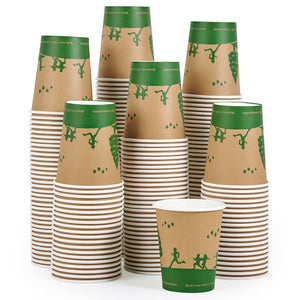
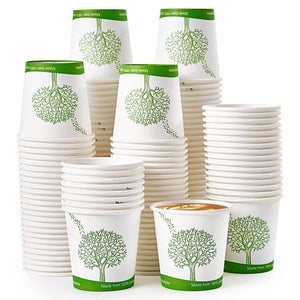
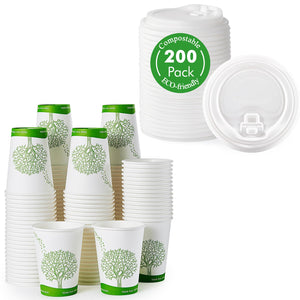
You see many cafes choosing aqueous coating because it gives eco-friendly, health-safe, and regulatory-compliant benefits. Cafes want to meet the needs of health-conscious customers who look for sustainable packaging. Ecolipak leads the way with compostable paper cups and other eco-friendly products. You notice a shift in the market as cafes use eco-friendly packaging to build a strong brand and connect with customers who value the environment.
The global food packaging market grows fast, driven by demand for eco-friendly materials.
Cafes use compostable paper cups to show care for both customers and the planet.
Eco-friendly packaging helps cafes attract younger, eco-conscious diners.
Key Takeaways
Aqueous coating is eco-friendly and helps cafes reduce plastic waste, appealing to health-conscious customers.
Using aqueous-coated cups ensures safety and compliance with food regulations, giving customers peace of mind.
Aqueous cups are durable and leak-resistant, making them ideal for serving hot and cold beverages without spills.
Choosing compostable and recyclable aqueous products supports sustainability and enhances your cafe's brand image.
Educating staff and customers about proper disposal of aqueous cups fosters a culture of responsibility and eco-friendliness.
What Is Aqueous Coating?
Definition and Properties
You see aqueous coating as a modern solution for sustainable packaging. This coating uses water as its main ingredient. You find it applied to paper products like coffee cups. Aqueous coating creates a protective layer that keeps liquids from soaking into the paper. You notice that this layer is thin, clear, and safe for food contact. Aqueous materials include natural ingredients such as starch and cellulose, along with synthetic polymers like acrylic and polylactic acid. You benefit from a coating that is both eco-friendly and effective.
How Water-Based Coating Works
Water-based coating technology uses a process similar to water-based ink. You watch as the coating gets absorbed into the paper fibers. This absorption reduces the amount of material needed. You still get leak and grease-proof benefits. The main ingredient, water, controls viscosity and helps the film evaporate quickly after application. You see water-based coating applied to coffee cups in many cafes. The coating uses natural and synthetic materials to create a strong barrier. You enjoy drinks without worrying about leaks or spills. Water-based coating is a sustainable alternative to traditional coatings. Cafes prefer this method because it supports eco-friendly practices.
Water-based coatings absorb into paper fibers.
You get leak and grease-proof protection.
Water increases evaporation rate after application.
Materials include starch, cellulose, acrylic, and PLA.
Water-based coating is popular for its eco-friendly properties.
Food Safety and Non-Toxicity
You want your coffee cup to be safe. Water-based coating uses ingredients like polysaccharides, alginates, and chitosan. These materials are stable and non-toxic. You find coatings made from proteins such as casein and zein. These proteins improve nutritional value and storage life. Regulatory agencies like the FDA and EFSA set strict rules for food contact materials. You trust that water-based coating meets these standards. The FDA recognizes many edible coatings as safe for food use. You can enjoy your beverage knowing that aqueous coating protects your health.
Polysaccharides and proteins are stable and non-toxic.
Alginate coatings delay ripening and prevent dehydration.
FDA and EFSA regulations ensure food safety.
Water-based coating must be Generally Recognized As Safe (GRAS).
You get a safe and eco-friendly drinking experience.
Environmental Benefits of Aqueous Coating
Reduced Plastic Waste
You see a clear environmental benefit when you switch to aqueous coating in cafes. Aqueous cups use only a third of the synthetic polymers compared to bioplastic and plastic-lined cups. You help reduce plastic waste because these cups are recyclable or compostable. Aqueous coatings absorb into the paper fibers, so you do not need an extra waterproof layer. You support eco-friendly choices that minimize environmental impact.
Products with aqueous coatings can be processed through standard recycling and composting facilities. You get a clear end-of-life disposal path.
Aqueous coated cups use significantly fewer polymers than traditional polyethylene-lined cups. You lower the environmental impact.
You choose eco-friendly cups that help reduce plastic waste in landfills and oceans.
You make a positive impact by supporting sustainable practices in your cafe. You see how eco-friendly packaging helps protect the environment.
Compostability and Biodegradability
You notice that aqueous cups offer strong environmental benefits because they are biodegradable and compostable. Composting facilities process aqueous-coated paper coffee cups differently from plastic-lined cups. Aqueous-coated cups are often considered repulpable. Their coating separates during recycling, so you reclaim the paper fibers. Plastic-lined cups need specific industrial composting conditions to decompose. You help the environment by choosing cups that break down naturally.
Aqueous coating is certified home compostable. You can compost products like takeout containers in your backyard.
Paperboard with aqueous barrier coating comes from responsibly sourced paper fibers. You ensure it breaks down in composting environments and can be recycled.
You see how biodegradable and compostable cups reduce environmental impact. You make eco-friendly choices that support a cleaner planet.
Regulatory Compliance
You must follow strict environmental regulations when you run a cafe. Aqueous coating helps you meet these standards. You see many countries phasing out single-use plastics and requiring compostable or reusable options. You choose packaging that meets compostability and biodegradability standards.
You can check the table below to see key regulatory standards for compostable and biodegradable packaging in the food service industry.
Regulation/Standard |
Description |
|---|---|
EU Single-Use Plastics Directive |
Bans oxo-degradable plastics and requires compostable packaging to meet EN 13432 certification. |
ASTM D6400 |
Sets strict standards for compostability in the U.S., required by several states for products labeled as biodegradable. |
Canada’s Single-Use Plastics Ban |
Phasing out single-use plastics, requiring transition to certified compostable or reusable options. |
Australia’s Phased Plan |
Aims to eliminate problematic plastics with support for biodegradable and compostable standards. |
You see how aqueous coating helps you comply with environmental regulations. You make choices that reduce environmental impact and support eco-friendly practices. You protect your business and the environment by using packaging that meets global standards.
You experience the environmental benefits of aqueous coating every day. You help reduce plastic waste, support compostability and biodegradability, and meet regulatory requirements. You make a positive impact on the environment by choosing eco-friendly solutions for your cafe.
Performance Benefits for Cafes
Durability and Leak Resistance
You want your coffee to stay hot and your cup to stay strong. Aqueous-coated cups help you achieve this goal. These cups are designed to handle high temperatures and keep their shape, even when filled with hot drinks. In busy cafes, you need cups that do not get soggy or lose their strength. Aqueous materials form a barrier that keeps liquids inside the cup. You can trust that your beverage will not leak or spill. Unlike some plastic-lined cups that may soften or lose rigidity with heat, aqueous cups maintain their structure. This makes them a reliable choice for serving both hot and cold drinks.
Customer Experience with Ecolipak Cups
You notice the difference when you use Ecolipak cups in your cafe. Customers enjoy a comfortable grip and a smooth rim, which makes every sip pleasant. The modern design of these cups adds a stylish touch to your service. You see that customers appreciate the eco-friendly message that comes with using aqueous products. Many people want to support businesses that care about the environment. When you offer aqueous cups, you show your commitment to sustainability. Customers often share positive feedback about the sturdy feel and leak resistance of Ecolipak cups. You help create a better experience for everyone who visits your cafe.
Customers say, "These cups are sturdy and do not leak. I love that they are good for the planet!"
Ease of Use and Cleanup
You save time and effort when you choose aqueous cups for your cafe. These cups make daily operations smoother and more efficient.
Aqueous coatings let you recycle cups with regular paper, which simplifies your waste process.
You reduce plastic use, which supports your sustainability goals.
Streamlined recycling helps you minimize waste and keep your cafe clean.
You find that cleanup becomes easier because aqueous cups break down naturally in composting facilities. You do not need special handling or extra steps. This helps you focus on serving great drinks and keeping your customers happy.
Ecolipak’s Aqueous Paper Coffee Cups
Product Features and Advantages
You discover that Ecolipak’s aqueous paper coffee cups stand out in the market. These cups use aqueous coating to create a strong barrier against leaks and sogginess. You enjoy a beverage that stays hot or cold longer. The cups are compostable, so you help reduce waste every time you use one. You find that the cups are recyclable and minimize environmental impact. You see that Ecolipak uses fewer polymers in its aqueous coating, which lowers harm to the planet. You save money because you do not need extra sleeves or double cups. The durability of these cups means you can rely on them for busy days in your cafe.
Feature |
Description |
|---|---|
Sustainability |
Aqueous cups are a sustainable alternative to traditional PE-lined cups, reducing plastic waste. |
Recyclability |
These cups are designed to be recyclable or compostable, minimizing environmental impact. |
Heat Resistance |
They provide excellent heat resistance, preventing leaks and sogginess. |
Environmental Impact |
Aqueous coating uses fewer polymers, further reducing environmental harm. |
Durability |
Exceptional durability ensures beverages maintain their temperature longer. |
Cost-Effectiveness |
Reduces the need for additional sleeves or double cupping, making it a cost-effective choice. |
You see that Ecolipak’s aqueous paper coffee cups meet strict environmental standards. The certifications show that you can trust these cups for compostable and eco-friendly packaging.
Certification Name |
Description |
|---|---|
ASTM D6400 |
Standards for industrial composting of compostable plastics. |
EN 13432 |
EU standards for compostable packaging, ensuring environmental compliance. |
BPI Certification |
Verifies compostable products under ASTM D6400 through strict testing. |
OK Compost Certification |
Certifies compliance with EN 13432 & ASTM D6400 for industrial composting. |
12 oz Compostable Paper Coffee Cups with CPLA Lids
You choose Ecolipak’s 12 oz compostable paper coffee cups with CPLA lids for your cafe. These cups use plant-based materials and aqueous coating to keep drinks safe and fresh. You find that the cups are BPA-free and plastic-free. The rolled rim gives you a smooth sipping experience. You use these cups for hot or cold drinks, knowing they resist temperatures up to 140°F. You stack them easily for storage. The CPLA lids fit tightly, so you avoid spills. You help the environment because these cups break down in commercial composting facilities within months. You see that the modern design fits any cafe style. You enjoy convenient cleanup because the cups are compostable and recyclable.
Tip: You can use Ecolipak’s aqueous paper coffee cups for parties, events, or daily service. You make every occasion more sustainable.
Customer Stories and Feedback
You hear from customers who use Ecolipak’s aqueous paper coffee cups every day. They share stories about the sturdy feel and leak resistance. You notice that many customers praise the compostable design. You see that the cups hold up well for hot and cold drinks. Customers say the cups look stylish and feel comfortable in their hands. You read feedback that highlights the environmental benefits. People appreciate that they can recycle or compost the cups after use. You find that the price is comparable to non-eco-friendly options, so you do not sacrifice quality or budget.
“These cups are sturdy and do not leak. I love that they are good for the planet!”
“I use Ecolipak’s aqueous paper coffee cups for events. Cleanup is easy, and guests notice the eco-friendly message.”
“The compostable cups are perfect for my cafe. Customers appreciate the sustainable packaging and keep coming back.”
You see how Ecolipak’s aqueous paper coffee cups help you build a positive reputation. You create a better experience for your customers and support a greener future.
Comparing Aqueous Coating to Traditional Options
Sustainability and Safety
You want to make choices that protect both your customers and the planet. When you use traditional PE film paper cups, you risk releasing microplastics into hot drinks. These microplastics can enter your body with every sip. Aqueous-coated paper cups offer a new generation solution. They give you 100% recyclability and help ensure safe drinking water.
You see that aqueous coatings use water as the main solvent. This reduces harmful volatile organic compounds. You help the environment because aqueous cups use fewer polymers and cut down on plastic waste. Traditional PE-coated cups often end up in landfills. They are hard to recycle because the plastic lining does not separate easily from the paper. Aqueous cups, on the other hand, are easier to re-pulp and recycle.
Note: Aqueous-coated cups meet strict food safety standards. They comply with FDA and European Union regulations, so you can trust them for hot beverages.
Certification Type |
Purpose |
|---|---|
PTS Method |
Verifies the repulpability of the fiber |
CEPI Protocol |
Ensures compatibility with paper recycling streams |
BfR / FDA |
Ensures food safety for hot beverage applications |
Cost Considerations
You may notice that aqueous-coated cups cost about 10% more than traditional plastic-lined cups. This higher price can seem like a challenge. However, you can avoid extra costs from plastic taxes in areas with strict environmental rules. Over time, you may find that the net cost is lower. You also improve your cafe’s environmental profile, which attracts more eco-conscious customers.
Aqueous-coated cups: About 10% higher upfront cost
Savings: Avoid plastic taxes and support sustainability goals
Value: Enhance your brand’s reputation and customer loyalty
Market Trends
You see a clear shift in the food service industry toward aqueous solutions. Cafes and restaurants now choose aqueous coatings for better protection against moisture and grease. You notice that new regulations push businesses to use less plastic. The market for PFAS-free aqueous food packaging is growing fast. Experts predict it will reach $1,380 million by 2036.
Market Trend |
Description |
|---|---|
Aqueous Barrier Coatings |
More use for moisture and grease protection |
Sustainability Goals |
Focus on reducing plastic in packaging |
Regulatory Changes |
New rules favor eco-friendly materials |
You help lead this change by choosing aqueous-coated cups. You support a cleaner planet and safer drinks for everyone.
Challenges and Considerations
Implementation for Small Cafes
You may want to switch to aqueous packaging in your cafe. You face some challenges when you make this change. Small cafes often struggle to secure a steady supply of aqueous-coated cups. You need to find reliable suppliers who can deliver these products on time. You also notice that aqueous cups sometimes cost more than traditional options. You must manage your budget carefully to keep your business running smoothly. You may worry about the price difference, but you see that the benefits of aqueous packaging help your cafe stand out. You also need to educate your customers about proper disposal methods. Many people do not know how to compost or recycle aqueous cups. You can use signs or simple instructions to guide them. You help your customers make eco-friendly choices every day.
You may find it hard to get a steady supply of aqueous-coated cups.
You need to manage higher costs compared to traditional cups.
You must teach customers how to dispose of aqueous cups correctly.
Tip: You can partner with local suppliers to secure regular deliveries of aqueous products. You can also explain the environmental benefits to your customers, which helps build loyalty.
Educating Staff and Customers
You play a key role in teaching your staff and customers about aqueous packaging. You start by training your team on the features of aqueous-coated cups. You show them how these cups support sustainability and reduce waste. You encourage your staff to share this information with customers. You create simple guides or posters that explain how to recycle or compost aqueous cups. You use clear language and visuals so everyone understands. You also answer questions about why your cafe uses aqueous packaging. You highlight the health and environmental benefits. You build a culture of responsibility in your cafe. You see your staff and customers become more aware of eco-friendly practices. You make your cafe a leader in sustainable choices.
You train staff to understand the value of aqueous packaging.
You provide customers with easy instructions for disposing of aqueous cups.
You use posters, guides, and conversations to spread awareness.
Note: You can reward staff who promote aqueous packaging and eco-friendly habits. You can also celebrate customers who follow proper disposal steps.
You see cafes choosing aqueous coating because it helps reduce plastic waste, decreases fossil fuel use, and supports recycling or composting. You notice that aqueous cups are biodegradable and environmentally friendly. Ecolipak leads the way with innovative aqueous solutions that improve customer experience and simplify recycling. You can balance cost with performance, find heat-resistant cups, and work with trusted suppliers. You help your cafe move toward a greener future by adopting aqueous packaging.
Reduces plastic waste
Promotes recycling and composting
Supports environmental gains
Tip: Choose aqueous coated products for your cafe to protect the planet and build customer loyalty.
FAQ
What makes aqueous coating a sustainable alternative for cafes?
You choose aqueous coating because it uses water-based materials instead of plastic. This makes it a sustainable alternative. You help reduce waste and support responsible consumption in your cafe.
Are Ecolipak cups recyclable or compostable?
You can recycle or compost Ecolipak cups in most facilities. These eco-friendly products break down naturally. You support an eco-conscious choice when you use them.
How do eco-friendly products improve customer experience?
You give your customers peace of mind with eco-friendly products. They enjoy safe drinks and know they support sustainable alternatives. You show your commitment to the planet.
Why should I switch to sustainable alternatives in my cafe?
You help protect the environment when you use sustainable alternatives. You attract eco-conscious customers who value responsible consumption. You also meet new regulations and build a positive brand image.
How can I encourage responsible consumption in my cafe?
You can place signs that explain how to dispose of recyclable cups. You teach staff to share tips about eco-friendly products. You make it easy for customers to make an eco-conscious choice every day.