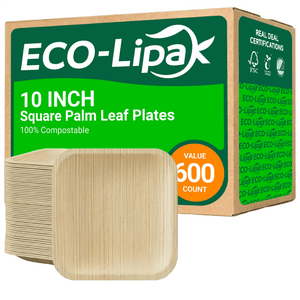
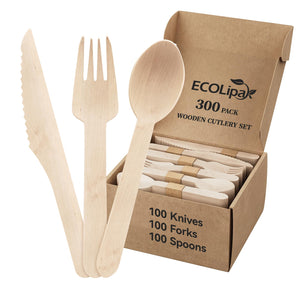
You can create a zero-waste charcuterie board by using leftover cheese, nuts, and fruit scraps from your fridge. This approach reduces food waste, supports sustainability, and lets you build a beautiful, shareable spread. The unique look of palm leaf plates turns your charcuterie board into something special and eco-friendly.
Key Takeaways
-
Use leftover cheese, nuts, and fruit scraps to create a beautiful zero-waste charcuterie board.
-
Choose palm-leaf plates for an eco-friendly and stylish presentation that enhances your spread.
-
Plan portion sizes carefully to minimize waste and ensure everyone enjoys the food without leftovers.
Why Zero-Waste Charcuterie Matters
Common Waste Sources
When you put together a charcuterie board, it’s easy to end up with more waste than you expect. You might toss out plastic wrap, cheese packaging, or even food that didn’t get eaten. Many premade charcuterie boards come with layers of packaging that you can’t recycle. That packaging goes straight into the trash. Sometimes, you buy more cheese, nuts, or fruit than you need. Those leftovers often get forgotten in the fridge and turn into food waste. If you use single-use plastic plates or utensils, that adds even more waste to the pile.
Tip: You can reduce food waste by using small amounts of leftover cheese, nuts, and fruit scraps from your fridge. Arrange them on a palm-leaf plate for a look that feels special and eco-friendly.
Environmental Impact
Zero waste is important because every bit of food waste and packaging adds up. Food waste creates methane gas, which is much stronger than carbon dioxide. In the United States, food waste makes up about 8% of all greenhouse gas emissions. That’s a big deal for the planet. When you choose zero waste, you help cut down on these emissions. If everyone optimized packaging and composted leftovers, we could keep millions of tons of waste out of landfills. That would be like taking over a million cars off the road. Choosing zero-waste charcuterie helps you support sustainability and protect the environment for future generations.
Planning for Zero Waste
Portion Control Tips
You want your charcuterie board to look generous, but you don’t want piles of leftovers. Planning the right amount of food helps you avoid tossing out extras and keeps your gathering stress-free. Start by thinking about how many people you’ll serve. For a small group, you can use less and focus on quality. If you’re hosting a bigger party, you’ll need more, but you can still keep things simple.
Here’s a handy table to help you estimate how much to serve per guest:
|
Food Type |
Portion Size (Meal) |
Portion Size (Appetizer) |
|---|---|---|
|
Meats |
2-3 oz |
0.5 oz |
|
Cheese |
1-2 oz |
0.5-1 oz |
|
Crackers/Breads |
10-12 pieces |
5-6 pieces |
|
Fresh Produce |
4 oz |
2 oz |
|
Dips/Spreads |
2 oz |
1 oz |
|
Sweets/Nuts |
1 oz |
0.5 oz |
If you like visuals, check out this chart for a quick look at recommended portions:
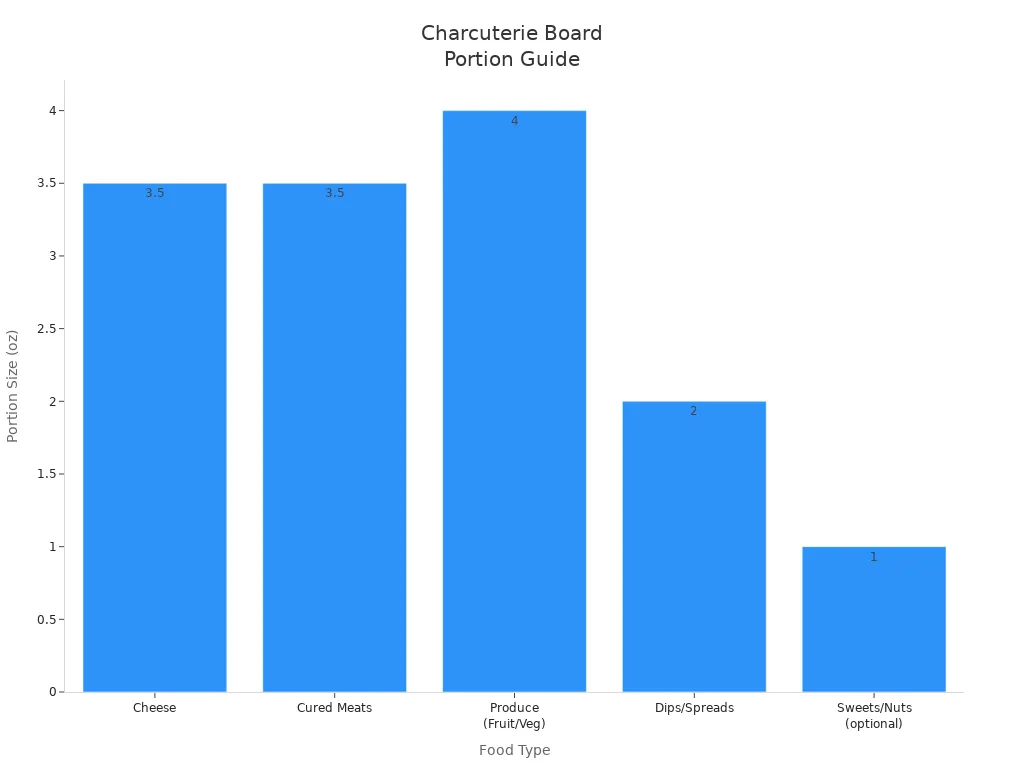
You can use these numbers as a guide, but don’t stress about being exact. If you have leftovers, you can always use them for snacks or lunches the next day. When you focus on portion control, you make zero waste easy and keep your charcuterie board fresh and inviting.
Tip: Arrange small amounts of leftover cheese, nuts, and fruit scraps from your fridge on a palm-leaf plate. The unique woody texture of the plate makes even simple foods look special.
Smart Ingredient Choices
Choosing the right foods is a big part of minimizing waste. You can pick ingredients that are likely to get eaten up and don’t come with lots of packaging. Fresh fruits like watermelon, mango, blueberries, raspberries, and cherries add color and are usually a hit with everyone. Hard cheeses such as Manchego, aged Cheddar, Gouda, and Parmesan last longer and pair well with fruit. Plant-based proteins like marinated tofu cubes and spiced nuts are tasty and often come with less packaging.
Here are some ways to make your charcuterie boards more zero waste:
-
Shop at local markets for package-free produce and cheese.
-
Use odds and ends from your fridge and pantry—think half a cucumber, a handful of grapes, or the last few crackers in the box.
-
Mix textures and colors to make your board look exciting and encourage everyone to try new things.
-
Try breakfast boards with cheese, fruit, nuts, and croissants, or snack boxes with meats, cheeses, crackers, and fruit for lunches.
-
Add leftover nuts and chocolates to a movie night platter with cheese and popcorn.
Charcuterie ingredients are flexible. You can mix and match them into other meals, snacks, or recipes. This makes zero waste simple and fun. When you use local, package-free, or leftover-friendly foods, you support practical sustainability and make your gatherings more eco-friendly.
By planning ahead and making smart choices, you turn zero-waste charcuterie into a habit. You save money, reduce your impact, and create beautiful boards that everyone will love.
Ecolipak Palm Leaf Plates for Sustainability
Eco-Friendly Tableware Benefits
You want your charcuterie board to stand out and feel good for the planet. Ecolipak makes that easy with their Compostable 7.85in and 10in Square Palm Leaf Plates. These plates are eco-friendly and support sustainability at every step. You get plates made from renewable palm leaves, so you avoid plastic and help protect nature. The unique woody texture of each plate turns even simple snacks or leftovers into a festive display. Guests notice the natural look and feel, which makes your board memorable.
Check out how Ecolipak plates compare to traditional disposable plates:
|
Benefit |
Ecolipak Palm Leaf Plates |
Traditional Disposable Plates |
|---|---|---|
|
Biodegradability |
Yes |
No |
|
Energy required for production |
Less |
More |
|
Contribution to greenhouse gases |
Lower |
Higher |
|
Made from renewable resources |
Yes |
No |
|
Compostable |
Yes |
No |
Compostable Plate Features
Ecolipak plates come packed with features that make zero-waste charcuterie easy for you:
-
Compostable and biodegradable, so you can toss them in your home or commercial compost pile.
-
Made from renewable resources, supporting eco-friendly dining.
-
Strong and stylish, perfect for meats, cheeses, fruits, and dips.
-
Ethical sourcing means you make a responsible choice every time.
You can trust these plates because they hold certifications like FSC, Nordic eco-label, DIN EN 13432, BPI, CMA, and TÜV AUSTRIA. These certifications guarantee the plates meet strict environmental standards.
Customers love the sturdy design and natural appearance. Maya Chen shared that her rooftop cocktail party felt elegant and cleanup was quick. Many hosts say Ecolipak plates help them entertain with a lower environmental impact and make guests feel connected to sustainability.
Tip: Arrange your charcuterie on palm leaf plates to make leftovers look special and keep your gathering eco-friendly.
Creative Zero-Waste Charcuterie Ideas
Edible Garnishes & Decorations
You can turn leftovers and simple ingredients into a show-stopping charcuterie board with a few creative touches. Try using small amounts of leftover cheese, nuts, and fruit scraps from your fridge. Arrange them in clusters for a fresh look. Fill empty spaces with fresh herbs like rosemary, mint, or thyme. These herbs add color and a wonderful aroma. Edible flowers such as pansies or nasturtiums bring pops of color and make your board feel special.
You can also use leafy greens or local, seasonal produce to decorate your board. These accents look beautiful and reduce waste because you can eat them. Place garnishes near the main foods, but don’t let them compete for attention. Arrange smaller amounts of food and refill as needed. This keeps everything fresh and helps you avoid tossing out leftovers.
Tip: Use edible decorations to fill gaps and make your charcuterie boards look lush without extra waste.
Reusable Boards & Utensils
You don’t need fancy tools to serve zero-waste charcuterie. Look around your kitchen for items you already own. Wooden cutting boards, slate trays, or even large plates work well. Many people love olive wood, acacia wood, or teak wood boards because they last a long time and look great. Here’s a quick look at popular natural materials:
|
Material |
Description |
|---|---|
|
Olive Wood |
Plastic-free, zero waste, non-toxic for food prep |
|
Acacia Wood |
Sustainably sourced, perfect for cheese and charcuterie |
|
Teak Wood |
FSC-certified, from sustainable forests |
Swap paper napkins for linen or cotton cloths. Use reusable containers for cleanup. Serve food in smaller batches and refill as needed. If you have extra food, pack it up for lunch or share with friends. These simple swaps make your charcuterie boards more sustainable and help you create a zero-waste charcuterie experience every time.
Zero Waste Lunch & Leftovers
Repurposing Extras
You probably have bits of cheese, a handful of nuts, or a few fruit slices left after your gathering. Instead of letting these go to waste, you can create a zero waste lunch that feels fresh and exciting. Try making a leftover charcuterie board for your midday meal. Arrange those small extras on a palm-leaf plate. The unique woody texture of the plate makes even simple leftovers look special. Kids and adults both love the fun presentation. You can mix and match what you have—maybe a few crackers, some grapes, or a slice of salami. This approach helps reduce food waste and encourages everyone to try new foods. Transforming leftovers into a zero waste lunch is a smart way to maximize leftovers and cut down on food waste.
Tip: Presentation matters! A leftover charcuterie board can turn yesterday’s snacks into today’s highlight.
Sustainable Storage
You want to keep your leftover charcuterie board ingredients fresh without adding more plastic to the world. Here are some easy, sustainable storage ideas:
-
Use reusable wooden serving platters for storing and serving leftovers.
-
Try bamboo trays. They are lightweight, durable, and you can compost them when they wear out.
-
Store spreads and dips in glass jars. You can wash and reuse them for many things.
-
Choose compostable packaging sleeves made from biodegradable materials to keep items fresh.
These options help you stick to your zero waste lunch goals and support food waste reduction. When you store food this way, you reduce food waste and make it easy to grab ingredients for your next leftover charcuterie board. Every small step counts in the fight against food waste. You can enjoy a zero waste lunch, save money, and help the planet at the same time.
Embracing Sustainability with Ecolipak
Zero-Waste Tools & Accessories
You can make your charcuterie board both stylish and eco-friendly by choosing the right tools. Start with a large wooden board as your base. This gives your platter a natural look and supports zero waste. Use quality knives like a soft-cheese knife, charcuterie fork, and hard-cheese chisel. Small bowls and petite spoons help keep flavors separate. Cheese markers let guests know what they are tasting. If you want a complete set, Maison du Fromage’s Charcuterie Serving Set offers forks, spoons, spreaders, and tongs made from durable stainless steel. These utensils are reusable and dishwasher safe, so you avoid plastic waste. Compact utensils make serving easy and help you stick to your zero waste goals.
Here’s a quick comparison of Ecolipak cutlery and other zero-waste options:
|
Feature |
Ecolipak Cutlery |
Other Zero-Waste Options |
|---|---|---|
|
Material |
Plant-based CPLA |
Varies |
|
Compostable |
Yes |
Yes/No |
|
Biodegradable |
Yes |
Yes/No |
|
User Satisfaction Score |
4.3 |
Varies |
|
Performance Comparison |
Comparable to plastic |
Varies |
Making Sustainable Choices
You can show your commitment to sustainability by embracing sustainability at every gathering. Choose high-quality, locally sourced, and artisanal ingredients for your charcuterie board. Pick natural wood boards from sustainable resources. Prioritize sustainable meats, organic cheeses, and seasonal produce. These choices support ethical food production and reflect your values. Encourage guests to participate in zero waste practices. Label dishes clearly and serve finger foods to reduce the need for plates. Composting leftovers improves soil health and lowers environmental impact. When you view waste as a resource, you help build a low-waste economy. Embracing sustainability means you inspire others and extend positive impact beyond your home.
Tip: Use small amounts of leftover cheese, nuts, and fruit scraps from your fridge. Arrange them on a palm-leaf plate. The unique woody texture instantly elevates your charcuterie platter and makes every bite feel special.
-
You can build a zero-waste charcuterie board using leftover cheese, nuts, and fruit scraps.
-
The woody texture of palm-leaf plates makes charcuterie boards look special.
-
Small changes help the planet.
Try zero-waste charcuterie with Ecolipak. Gather friends, enjoy, and inspire others!
FAQ
How can I use leftover cheese, nuts, and fruit scraps for my charcuterie board?
You can arrange small amounts of leftovers on a palm-leaf plate. The natural texture makes your board look festive and inviting.
Do palm-leaf plates really make leftovers look special?
Yes! The woody texture of palm-leaf plates turns simple snacks into a beautiful display. Your guests will notice the unique look.
Can I compost Ecolipak palm-leaf plates after my charcuterie board?
You can compost these plates at home or in a commercial facility. They break down naturally and help you keep your gathering zero waste.