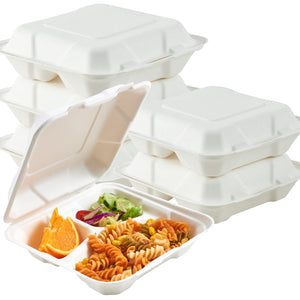
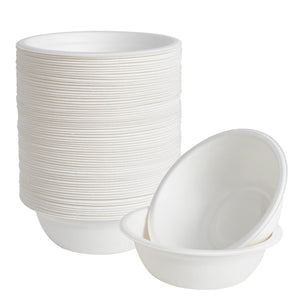
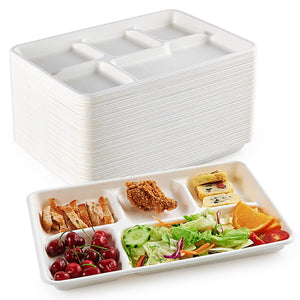
You source PFAS-free compartment containers by choosing certified packaging that protects the environment and supports Environmental Compliance. PFAS-free products like Sugarcane To Go Boxes help you avoid health risks and contamination. PFAS, known as "forever chemicals," can persist in the environment, migrate into food, and cause serious health issues. You reduce risk by selecting fluorine-free containers from trusted brands such as Ecolipak. Certified packaging provides peace of mind and supports responsible business practices.
PFAS can contaminate water and soil.
PFAS exposure links to immune system suppression and increased cancer risk.
Choosing compliant products lets you serve meals safely and streamline operations.
Key Takeaways
Choose certified PFAS-free packaging to protect health and the environment.
Request full documentation from suppliers to ensure transparency and compliance.
Conduct regular compliance reviews to stay updated on regulations and avoid risks.
Select trusted brands like Ecolipak for reliable, compostable packaging solutions.
Implement a clear sourcing process to streamline operations and enhance customer safety.
What Is PFAS-Free Packaging

PFAS and Its Risks
You may wonder what pfas-free packaging means and why it matters. Regulatory agencies define pfas-free packaging as food containers that do not contain PFAS chemicals. These chemicals, often called "forever chemicals," stay in the environment and your body for a long time. The table below shows how top agencies describe pfas-free packaging:
Regulatory Agency |
Definition of PFAS-free Packaging |
|---|---|
U.S. EPA |
Packaging that does not contain PFAS chemicals, which are known for their persistence and health risks. |
European Chemicals Agency |
Packaging that is free from PFAS to eliminate potential health hazards and environmental impact. |
PFAS can enter your food from packaging. Studies show that exposure to PFAS can lead to health problems.
PFAS are persistent in the environment and the human body.
You can get exposed through products or packaging made with PFAS.
Health risks include higher cholesterol, obesity, lower immunity, some cancers, birth defects, and liver or kidney disease.
PFAS also harm the environment.
PFAS stay in water and soil for years.
They move easily in water, polluting rivers and groundwater.
Animals like polar bears and dolphins can get sick from PFAS in their bodies.
Benefits of PFAS-Free Materials
Choosing pfas-free packaging protects your health and the planet. These materials break down naturally and do not release harmful chemicals. The table below shows the benefits of common pfas-free packaging materials:
Material |
Benefits |
|---|---|
PHA |
Decomposes naturally, certified for biodegradability, PFAS-free, food-safe |
Bagasse |
Biodegradable, repurposes waste, reduces landfill burden, minimizes carbon emissions |
Compostable Packaging |
Free from harmful chemicals like PFAS, safer for humans and the environment |
Pfas-free packaging supports a cleaner world. It keeps toxins out of your food and helps reduce landfill waste. You also help protect wildlife and water sources.
Ecolipak’s Compostable To Go Boxes
Ecolipak’s 8 inch Compostable Sugarcane 3 Compartment To Go Boxes give you a real-world example of pfas-free packaging. These boxes use sugarcane fiber, not plastic or wax. They are 100% biodegradable and compostable. You can use them for takeout, leftovers, or meal prep. The three compartments keep food separate and fresh. The double-tab closure locks in your meal with one motion, making packing fast and easy—perfect for food trucks and busy kitchens. You do not need extra lids or bands, so you save time and reduce waste. Ecolipak’s pfas-free packaging helps you serve food safely, protect the environment, and streamline your operations.
Environmental Compliance and Regulations
Key PFAS Regulations
You need to understand the main pfas regulations that affect food packaging. Many states in the United States have banned PFAS in food containers. New York and California lead the way, with bans on manufacture, distribution, and sale of packaging with intentionally added PFAS. Europe has strict regulatory rules under the EU Packaging and Packaging Waste Regulation. These bans protect your customers and help you meet environmental compliance. The table below shows important pfas regulations:
Region |
Regulation Description |
Effective Date |
|---|---|---|
United States |
New York's PFAS in Food Packaging Law prohibits intentionally added PFAS in food packaging. |
December 31, 2022 |
Europe |
EU Packaging and Packaging Waste Regulation bans PFAS in food packaging. |
August 12, 2026 |
Many states, including Vermont, Maryland, and Oregon, have similar regulatory bans. PFAS regulations help you avoid health risks and support environmental compliance.
Certifications for Compliance
You must look for certification when sourcing PFAS-free containers. BPI and BPA-Free certifications show that packaging meets strict regulatory standards. PFAS-Free certification confirms that containers do not contain PFAS. Ecolipak uses third-party laboratory testing and pre-screens materials for PFAS. You can trust Ecolipak because they request Safety Data Sheets and traceability documents from suppliers. They randomly test containers from each shipment and keep a PFAS-free shipment log. Ecolipak reviews compliance annually to adapt to new regulatory changes. These steps ensure you get containers that meet environmental compliance and regulatory requirements.
Ecolipak’s cups undergo rigorous testing to ensure PFAS compliance and meet food-contact safety standards, using methods like Total Organic Fluorine screening and liquid chromatography–mass spectrometry.
Why Compliance Matters for Businesses
Compliance protects your business from regulatory fines and legal risks. If you use non-compliant packaging, you may face penalties or lose customers. Environmental compliance builds trust with buyers and supports your reputation. For food trucks and mobile vendors, compliance means you can serve meals quickly and safely. Ecolipak’s compartment boxes help you streamline packing, reduce waste, and avoid regulatory issues. You maximize profits during busy lunch rushes by using certified containers that meet all regulatory standards. Compliance gives you peace of mind and keeps your business running smoothly.
Sourcing and Verifying PFAS-Free Containers
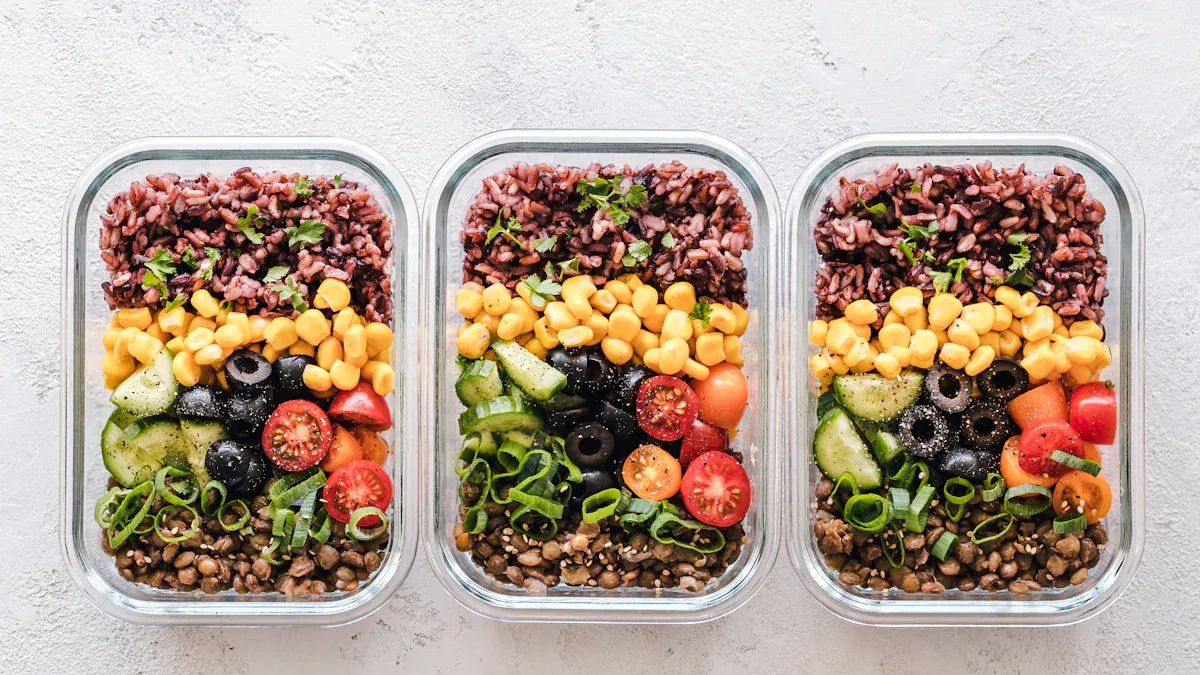
Sourcing Workflow Steps
You need a clear process for sourcing PFAS-free compartment containers. This helps you meet sustainability goals and avoid risk. Follow these steps to ensure sourcing compliance:
Pre-Screen Materials and Coatings
Start by reviewing all materials and coatings used in your packaging. Confirm that no fluorinated additives are present. Ask for a PFAS declaration from the paper mill or manufacturer. This step protects your food-contact materials and supports your sustainability goals.Validate Supplier Transparency
Request Safety Data Sheets (SDS) and check for traceability in the supply chain. Make sure your supplier can show where each raw material comes from. Review their substitution policies for packaging materials. This step helps you avoid risk and ensures sourcing compliance.Third-Party Laboratory Testing
Arrange for laboratory testing of your packaging. Use methods like Total Organic Fluorine (TOF) screening and confirm with targeted LC-MS/MS testing. These tests check for PFAS in food-contact materials and help you meet regulatory standards.Shipment-Level Random Verification
Test random samples from each shipment. Keep a PFAS-free shipment log. This step helps you catch any risk before the packaging reaches your customers.Annual Compliance Review
Review your sourcing compliance every 12 months. Update your process to match new regulations or changes in packaging materials. This keeps your business safe and supports your sustainability goals.
Tip: Use a checklist for each sourcing step. This helps you track sourcing compliance and avoid missing important details.
Supplier Transparency and Documentation
You must trust your supplier to meet your sourcing compliance needs. Ask for clear documentation at every step. Request Safety Data Sheets for all packaging and food-contact materials. Check for traceability from raw material to finished containers. Review your supplier’s substitution policies. Make sure they do not switch to materials that contain PFAS. Reliable suppliers, like Ecolipak, provide full transparency. They share test results, certifications, and compliance logs. This builds trust and supports your sustainability goals.
Documentation to Request |
Why It Matters |
|---|---|
Safety Data Sheets |
Confirms no PFAS in materials |
Traceability Records |
Tracks source of all packaging |
Compliance Certificates |
Shows third-party verification |
Substitution Policies |
Prevents hidden PFAS risk |
Testing and Verification
You need laboratory testing to confirm your packaging is PFAS-free. Use Total Organic Fluorine analysis for a cost-effective first check. If results are close to regulatory limits, use targeted LC-MS/MS testing for more detail. These laboratory methods help you meet sourcing compliance and protect your food-contact materials.
Total fluorine tests are affordable and quick.
PIGE and CIC tests cost a few hundred dollars per sample.
Simpler methods, like ISE, cost even less.
Use a threshold of 100 ppm total fluorine to decide if more testing is needed.
Note: Laboratory testing is key for sourcing compliance. It helps you avoid risk and supports your sustainability goals.
Ongoing Compliance Reviews
You must review your sourcing compliance every year. Update your PFAS test reports every 12 months, even if your packaging production stays the same. This practice helps you manage risk and meet changing regulations. Random shipment testing also helps you catch problems early. Keep a log of all laboratory testing and compliance checks. This record supports your sustainability goals and shows your commitment to safe food-contact materials.
Test random shipments for PFAS.
Keep a compliance log for all packaging.
Operational Efficiency for Food Trucks and Mobile Vendors
PFAS-free compartment containers, like Ecolipak’s sugarcane boxes with double-tab closures, help you work faster and smarter. The unified design means you do not need extra lids or bands. You can pack meals quickly, even in small spaces. This saves time and reduces the need for extra packaging accessories. The three compartments keep food separate, so you do not need multiple containers. You serve more customers during busy periods and maximize profits. The sturdy, leak-resistant design prevents spills, making your operation smoother and safer. These features support your sustainability goals and help you meet sourcing compliance with every meal you serve.
Choosing the right PFAS-free packaging boosts your speed, reduces waste, and supports your sustainability efforts.
Identifying Risks and Avoiding Non-Compliant Products
Red Flags in Product Claims
You need to spot warning signs when choosing compartment containers for food service. Many products claim to be safe, but some hide the truth about PFAS. Companies sometimes keep PFAS use secret. Labels can mislead you and make it hard to know what is inside. PFAS are common in packaging, especially in items that need to resist grease. These can include fast-food wrappers, take-out boxes, and microwave popcorn bags. The table below shows where you might find PFAS:
Application Type |
Description |
|---|---|
Grease-Proofers |
Used in fast-food wrappers, microwave popcorn bags, take-out containers, and pet food bags. PFAS can move into food and cause health risks. |
Watch for these red flags:
Vague claims like “eco-friendly” without proof.
No mention of PFAS-free or fluorine-free status.
Lack of third-party safety certifications.
No clear information about materials or coatings.
If you see these signs, you should ask more questions to protect your health and safety.
Practical Tips for Buyers
You can take steps to avoid non-compliant products and keep your customers safe. Start by reviewing the types of coatings used on food-contact materials. Make sure there are no intentionally added PFAS in the paper or coatings. Ask the paper mill for a PFAS declaration. Choose plant-fiber packaging with bio-based linings. Always request Safety Data Sheets for every packaging material. Check traceability for both coatings and paper. Examine annual compliance records. Pick suppliers who give you full documentation and proof of safety.
Testing also helps you protect health and safety. Use Total Organic Fluorine screening as a first check. Confirm results with LC-MS/MS testing if needed. Randomly test containers from each shipment and keep a PFAS-free shipment log. Review all documents for each batch. Reject any shipment that does not meet safety standards.
Tip: Ecolipak’s process includes all these steps. Their customers report high satisfaction because they trust the safety and environmental responsibility of the products.
Managing Supply Chain Risks
You can reduce risk by managing your supply chain carefully. Map your supply chain to find high-risk areas, especially for packaging. Identify materials that often contain PFAS, like grease-resistant paper. Set clear PFAS requirements in your technical documents. Check supplier declarations to confirm materials are PFAS-free. Keep compliance documents to show you meet safety and environmental rules.
Audit your packaging and materials often. Ask suppliers for documents that prove safety. Consider switching to alternatives if you find PFAS. Stay updated on new regulations to protect your business from health risks. Develop a testing plan for high-risk materials.
Ecolipak’s customer stories show how these steps work in real life. Users say the products are sturdy and safe. They appreciate the clear documentation and the focus on health and safety. By following these steps, you can serve food with confidence and protect both your customers and the environment.
You can source PFAS-free compartment containers by following clear steps: check for certified compostable materials, request full documentation, and conduct regular compliance reviews. These actions protect consumer safety and support your business. Choosing trusted brands like Ecolipak means you get certified compostable products that lower environmental impact and promote transparency. Regular compliance reviews help you stay ahead of regulations and keep consumer safety a priority. Make certified compostable packaging part of your operations to ensure consumer safety and lead in sustainability.
FAQ
What makes PFAS-free compartment containers better for food trucks?
You save time with PFAS-free compartment containers. The built-in double-tab closure lets you pack meals fast. You do not need extra lids or bands. This design helps you serve more customers and keeps your food safe.
How do I know if a container meets global compliance requirements?
You should check for third-party certifications and clear documentation. Look for BPI or BPA-Free labels. Ask your supplier for test results and compliance records. These steps help you meet global compliance requirements and avoid regulatory issues.
Why are regulatory obligations important for my business?
You must follow regulatory obligations to avoid fines and protect your reputation. Meeting these rules shows your customers you care about safety. It also helps you keep your business running smoothly and legally.
Can PFAS-free containers support environmental initiatives?
Yes, PFAS-free containers help you support environmental initiatives. They break down naturally and do not pollute soil or water. Using these containers shows you care about the planet and want to reduce waste.
Are sugarcane compartment boxes sturdy enough for busy events?
You can trust sugarcane compartment boxes to hold up during busy events. The sturdy, leak-resistant design keeps food secure. You can pack main dishes and sides together, making service faster and easier for your team.