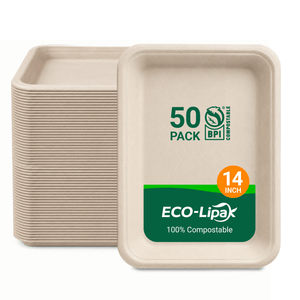
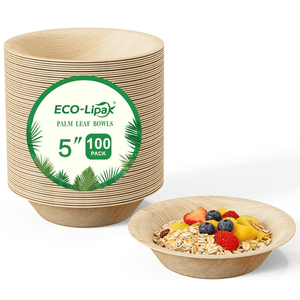
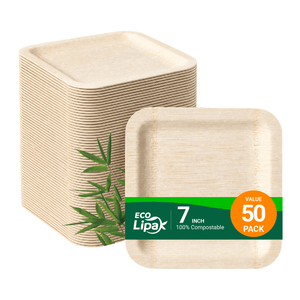
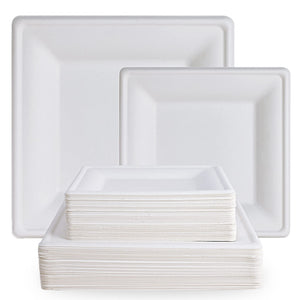
You might wonder if eco-friendly trays can truly support heavy-duty load capacity and remain strong when serving large meals. Many people think bagasse trays are less durable than plastic trays, but you can rely on disposable cutting-resistant compostable trays for both hot and cold foods. Companies and consumers now choose these trays for their structural integrity and safety. State bans on single-use plastics and growing demand for sustainable products drive this shift, showing that you can enjoy sturdy, eco-friendly options without compromise.
Key Takeaways
Ecolipak trays are strong and durable, capable of holding heavy meals without bending or breaking.
These compostable trays use sugarcane bagasse, providing a reliable and eco-friendly alternative to traditional plastic trays.
Advanced structural engineering ensures even weight distribution, preventing spills and enhancing safety during transport.
Ecolipak trays resist heat, oil, and cuts, making them ideal for serving a variety of hot and greasy foods.
Choosing Ecolipak trays supports sustainability while delivering the performance needed for any event.
Eco-Friendly Trays and Heavy-Duty Load Capacity
Can Sustainable Trays Handle Heavy Loads?
You want trays that do not bend or break when you serve large meals. Many people believe only plastic trays can handle heavy-duty load capacity. This is not true. Ecolipak’s compostable sugarcane trays show that sustainable products can match or even surpass traditional options in structural strength.
Ecolipak engineers each tray with a focus on structural design. The trays use sugarcane bagasse, which gives them a strong, dense structure. This material creates a solid base that resists bending. You can serve turkey, seafood, or piles of BBQ without worrying about the tray collapsing. The structural integrity of these trays comes from both the material and the way the tray distributes weight. The wide, flat surface and reinforced edges help spread the load evenly. This design prevents weak points and gives you confidence when carrying heavy food.
Laboratory tests confirm the massive load capacity of these trays. The results show that each tray can handle compression forces between 18.5 and 22.7 kgf. The trays also withstand collapse forces from 32.1 to 36.3 kgf. Drop tests show zero cracks, proving the trays stay safe during transport and handling. You can see the results in the table below:
Test |
Result |
Interpretation |
|---|---|---|
Compression |
18.5–22.7 kgf |
Strong rigidity |
Collapse force |
32.1–36.3 kgf |
Withstands heavy stacking |
Drop test |
0 cracks |
Vibration-safe |
These numbers show that Ecolipak trays have a high floor loading capacity and can handle the demands of professional catering and large events. You do not need to worry about spills or accidents. The structural design keeps your food safe and your guests happy.
Ecolipak's Heavy-Duty Lifting Performance
You can trust Ecolipak trays for heavy-duty lifting at any event. Customers often share stories about using these trays for potlucks, buffets, and outdoor parties. They report that the trays hold up under heavy loads, even with greasy or saucy foods. One customer said, “I served a full holiday meal on one tray, and it did not bend or leak.” This feedback matches the structural engineering behind the product.
Ecolipak trays offer more than just strength. The trays resist oil, heat, and cuts, so you can slice meat or serve hot dishes without damage. The structural features include thick walls and a sturdy base. These elements boost the load-bearing capacity and make the trays reliable for any occasion.
You get peace of mind when you use Ecolipak trays. The structural design means you do not have to double up trays or worry about messes. Unlike flimsy paper or plastic trays, these compostable trays give you the confidence to serve anything from ribs to roasted vegetables. The trays meet the needs of professional caterers, event planners, and families who want both performance and sustainability.
Tip: Choose Ecolipak trays for events where you need heavy-duty shores and strong structural support. You will see the difference in stability and safety.
Ecolipak’s commitment to structural innovation means you get trays with reliable heavy-duty load capacity every time. You support the environment and enjoy the benefits of advanced engineering. Serve, carry, and celebrate with trays that deliver on both strength and sustainability.
Engineering for Structural Integrity
Load Distribution in Tray Design
You need trays that do not fail when you serve heavy food. Ecolipak uses advanced structural engineering for data centers as inspiration for its tray design. The trays use molded parameter technology to create a strong, stable base. This technology shapes the tray with precise curves and angles. These features help spread the load evenly across the surface. You see this in the way the tray does not sag or bend, even when you carry large portions.
The reinforced rim grid design acts like a steel girder support in a building. The rim forms a rigid frame around the tray. This frame keeps the tray from twisting or flexing. The grid pattern under the tray adds extra strength. It works like the floor beams in a mission critical facility, giving the tray the ability to handle sudden movements or shocks. You can trust the tray to keep your food safe during transport.
Here are some key structural requirements that Ecolipak trays meet:
Interlocking designs enhance stability and prevent shifting.
Uniform weight distribution optimizes load handling.
Shock-absorbent materials reduce impact during transport.
These engineered systems help future-proof a data center, and they also help future-proof your event. You do not have to worry about catastrophic downtime, like spills or tray failures, when you use Ecolipak trays. The importance of structural engineering shows in every detail of the tray.
Note: The tray’s structure gives you confidence to serve anything from roast beef to pasta salad. You do not need to double up trays or worry about leaks.
Reinforcement and Capacity Factors
Reinforcement plays a big role in the strength and integrity of Ecolipak trays. The tray uses permanent reinforcement in the form of thickened walls and a sturdy base. This design increases the resistant sections of the tray, much like adding a steel girder support to a bridge. The tray also uses external reinforcement, such as the reinforced rim, to boost load capacity without making the tray bulky.
You see the importance of structural engineering for data centers in the way these trays handle stress. The tray’s structure prevents catastrophic downtime by stopping cracks and breaks before they start. The permanent reinforcement ensures the tray stays strong, even with heavy or wet foods. The tray’s integrity does not fail, even after long periods of use.
Ecolipak trays use advanced materials that act like the best engineered systems in a mission critical facility. The molded sugarcane pulp gives the tray industrial strength. The tray’s structure meets key structural requirements for professional catering and large events. You get stability, safety, and peace of mind.
The future-proofing of these trays means you can rely on them for any occasion. You do not have to worry about the tray failing or causing a mess. The strength and reinforcement built into every tray set Ecolipak apart from flimsy paper or plastic options.
Feature |
Ecolipak Tray Benefit |
Traditional Tray Issue |
|---|---|---|
Reinforced Rim Grid |
High strength, no flex |
Weak edges, easy bending |
Molded Parameter Design |
Even load distribution |
Uneven weight, sagging |
Permanent Reinforcement |
Lasting integrity |
Prone to cracks, leaks |
Shock-Absorbent Material |
Safe transport, no spills |
Breaks with impact |
You get trays that deliver structural integrity, strength, and reliability every time. Ecolipak’s focus on structural engineering means you can serve, carry, and enjoy your meals without worry.
Eco Materials & Design Features
Compostable Sugarcane Food Trays Structural Integrity
You want trays that deliver real structural strength. Ecolipak uses sugarcane bagasse, a material known for its industrial-grade rigidity. This material forms the foundation of each tray, giving you a reliable base for heavy meals. The structural design includes thick walls and a reinforced rim, which help the tray resist bending and breaking. You can serve large portions at events or buffets without worrying about failure. The structural integrity of these trays means you get the same confidence as with traditional plastic trays, but with a much smaller environmental impact.
Many compostable trays use materials like cornstarch and PLA. These bioplastics show mechanical properties that match traditional plastics. When you choose Ecolipak trays, you get a product that stands up to the demands of professional catering. The structural engineering behind these trays ensures they can handle the load and keep your food safe.
Oil, Heat, and Cut Resistance
You need trays that do not fail when exposed to hot, oily, or sharp foods. Ecolipak trays use a structural approach to resist oil and heat. The sugarcane fibers create a dense, leak-proof surface. This design keeps sauces and juices from soaking through. You can serve hot dishes straight from the oven, and the tray will not warp or lose its shape. The structural composition also makes the tray cut-resistant. You can slice meat or cake right on the tray without worry. This level of structural performance gives you peace of mind at any event.
Tip: Use Ecolipak trays for BBQs, holiday feasts, or any occasion where you need strong, reliable serving solutions.
Certification and Sustainability Standards
You want proof that your trays are safe and eco-friendly. Ecolipak trays meet strict certification standards. They are BPI certified and PFAS-Free. These certifications show that the trays are compostable and contain no harmful chemicals. You can see the main certifications and their criteria in the table below:
Certification |
Criteria |
|---|---|
BPI |
Compostable and environmentally safe |
PFAS-Free |
No intentionally added fluorinated chemicals |
Ecolipak trays also feature:
Made from 100% biodegradable sugarcane fiber
Plastic-free and eco-friendly
Leak-proof design
These features, combined with advanced structural engineering, give you trays that support heavy loads and protect the environment. You get high capacity, structural reliability, and peace of mind with every use.
Comparing Eco-Friendly and Traditional Trays
Durability and Load Capacity
You need trays that stand up to heavy loads and rough handling. Ecolipak’s compostable sugarcane trays use structural engineering to deliver industrial-strength rigidity. Molded pulp trays absorb shock and vibration, matching the durability of traditional plastic or foam trays. You can serve large meals, transport food across event venues, and rely on the tray to hold up under pressure. The reinforced rim and thick walls prevent bending and breaking. You see the difference when you carry heavy dishes at a buffet or catering job. Ecolipak trays give you confidence, just like structural supports in a building. You do not have to double up trays or worry about leaks. The trays perform well in standardized durability tests, showing they protect food and maintain structural integrity.
Safety and Environmental Impact
Safety matters at every event. You want trays that protect your guests and the environment. Ecolipak trays meet strict safety standards. They are BPA-free and PFAS-free, so you avoid harmful chemicals. The trays resist heat, oil, and cuts, keeping food secure and preventing accidents. You can slice meat or serve hot dishes without damaging the tray. This level of safety is important for job site safety and food service. The environmental impact of your choice is clear. Compostable trays use fiber-based materials and certified bioplastics. They break down in industrial composting facilities. Traditional trays persist in landfills and create a higher carbon footprint. The table below shows key differences:
Aspect |
Compostable Trays |
Traditional Trays |
|---|---|---|
Production |
Made from fiber-based materials or certified bioplastics |
Made from conventional plastics |
End-of-life Management |
Require industrial composting facilities for breakdown |
Persist in landfills, slow degradation |
Environmental Benefits |
Depends on composting infrastructure |
Higher carbon footprint during production |
Land Use Implications |
Potential competition with food production |
Minimal land use impact compared to bioplastics |
You help reduce waste and support sustainability when you choose compostable trays. Clear labeling and visual displays educate guests about proper disposal. Regulations and programs favor compostable options, expanding their use in food service.
Customer Feedback on Ecolipak
You hear positive stories from customers who use Ecolipak trays. They praise the structural strength and reliability. You see reviews that mention the trays holding heavy and moist foods without leaking. Parents share that the trays performed well at birthday parties, handling various foods without creating a mess. Users appreciate the biodegradable nature and renewable sugarcane material. Many say the flatware is as durable as heavy-duty plastic silverware. You notice that the trays do not break, even with tough foods. Customers value the safety and structural performance. You find that Ecolipak trays offer confidence, durability, and environmental benefits for every event.
Tip: Choose trays with strong structural engineering and proven safety for your next event. You will see the difference in performance and sustainability.
Common Concerns and Myths
Are Eco Trays Flimsy?
You may wonder if eco-friendly trays can handle the same weight as traditional plastic trays. Many people believe compostable trays bend or break easily. In reality, advancements in material science and tray engineering have changed this. Ecolipak’s sugarcane trays use molded designs and reinforced rims, giving you industrial-strength rigidity. You can serve heavy meals with confidence.
Here is a quick look at common concerns and the facts:
Concern Type |
Explanation |
|---|---|
Durability Concerns |
Many worry compostable trays are weaker than plastic. |
Performance & Durability |
New engineering makes compostable trays strong and reliable for all types of food. |
You get trays that feel sturdy in your hands. The structural design spreads weight evenly, so you do not need to double up trays or worry about spills.
Handling Hot, Wet, or Heavy Foods
You might ask if eco trays can handle hot, wet, or greasy foods. Ecolipak trays use dense sugarcane fibers and advanced molding technology. This gives you a leak-proof surface and strong base. You can serve hot BBQ, saucy pasta, or juicy meats without the tray losing shape.
See how compostable trays compare:
Tray Type |
Hot Foods |
Greasy Foods |
Notes |
|---|---|---|---|
Compostable Trays |
Good |
Moderate |
Can soften if liquids sit too long |
Traditional Trays |
Excellent |
Excellent |
Better moisture and grease resistance |
Innovations in fiber tray design now let you serve almost any dish. For best results, avoid letting liquids sit for long periods.
Tip: Use Ecolipak trays for events where you need both strength and eco-friendly performance.
Cost and Convenience Realities
You may think eco-friendly trays are less convenient or more expensive. In fact, Ecolipak trays offer competitive pricing and easy storage. You can stack them like traditional trays. For disposal, compostable trays need proper composting facilities. This supports your sustainability goals.
Eco trays align with green values but may need special disposal.
Storage is simple, but check for dry conditions.
Balancing convenience and sustainability helps you make the best choice.
Educational guides help you find composting services and understand the benefits of compostable trays. You support a cleaner planet while enjoying reliable, load-bearing performance at every event.
You can trust Ecolipak’s Compostable Sugarcane Food Trays Potluck Plates for strength and safety. The trays use advanced engineering to give you reliable support for heavy meals. When you choose trays, look at the material, heat resistance, and cost. The table below helps you compare options:
Material |
Benefits |
Best For |
|---|---|---|
Sugarcane |
Strong, compostable, cut-resistant |
Hot and heavy foods |
Cornstarch |
Eco-friendly, versatile |
Hot and cold foods |
Plastic |
Light, versatile |
Various foods |
Pick trays that match your event and food needs.
Choose compostable trays to help reduce landfill waste and enrich soil.
Support a greener future with every meal.
You make a difference when you select trays that combine structural strength with sustainability.
FAQ
Are Ecolipak trays strong enough for heavy meals?
Yes! You can trust Ecolipak trays to hold large portions. The reinforced rim and thick base give each tray industrial-strength rigidity. You will not see bending or breaking, even with heavy foods like turkey or pasta.
Can I cut food directly on these trays?
Absolutely. The trays resist cuts and slices. You can serve steak, pizza, or cake and cut right on the tray. The dense sugarcane fibers keep the surface strong and safe.
Do Ecolipak trays leak with oily or saucy foods?
No. The trays have a leak-proof design. You can serve BBQ, salads, or saucy dishes without worrying about spills. The engineered structure keeps liquids contained.
Are these trays safe for hot foods and microwaves?
Yes! You can use Ecolipak trays for hot dishes and in the microwave. The trays resist heat and will not warp or release harmful chemicals. They keep your food safe and secure.
How do Ecolipak trays compare to regular paper or plastic trays?
Ecolipak trays offer much more strength and reliability. You get a sturdy, load-bearing design that outperforms flimsy paper or plastic trays. You can serve, carry, and enjoy your meal with confidence.