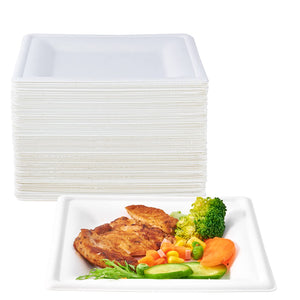
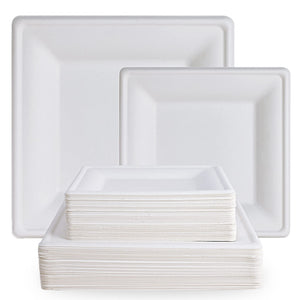
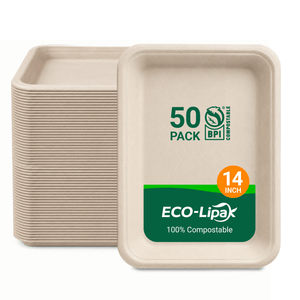
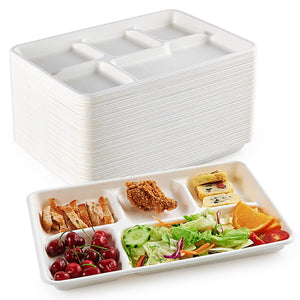
You need packaging that stands up to oily and moist foods. Molded bagasse delivers proven greaseproof and moisture-resistant performance. The 24-Hour Curry Test shows that Ecolipak’s Sugarcane square plates keep food contained without leaks or sogginess. Restaurants and food businesses rely on sturdy, eco-friendly containers to reduce complaints and boost satisfaction. Ecolipak leads with innovative, sustainable solutions that protect your meal and the planet.
Industry leaders like Amcor and SEE use advanced eco-materials to maintain barrier performance and food safety.
Bio-fibres like sugarcane are naturally grease-resistant and microwave-safe.
You can trust these plates for both hot and cold dishes.
Date |
Company |
Product Description |
Key Features |
|---|---|---|---|
September 2025 |
Amcor Plc |
Crisp packaging with recycled content |
Maintains food-grade safety, strong barrier |
January 2024 |
SEE |
CRYOVAC compostable tray |
Biobased, compostable, robust |
August 2023 |
Amcor |
AmFiber Performance Paper packaging |
Recyclable, high-barrier, functional |
Key Takeaways
Sugarcane bagasse packaging is eco-friendly and biodegradable, breaking down in 60 to 90 days, unlike plastic that lasts for centuries.
Ecolipak's heavy-duty sugarcane plates resist leaks and maintain their shape, making them ideal for oily and moist foods.
The 24-Hour Curry Test demonstrates the durability of bagasse packaging, proving it can handle real food challenges without compromising quality.
Using bagasse packaging enhances customer satisfaction by preventing messes and ensuring food safety, leading to positive reviews and repeat business.
Investing in sustainable packaging like bagasse supports environmental goals and meets growing consumer demand for eco-friendly products.
What Is Sugarcane Bagasse?
Definition and Source
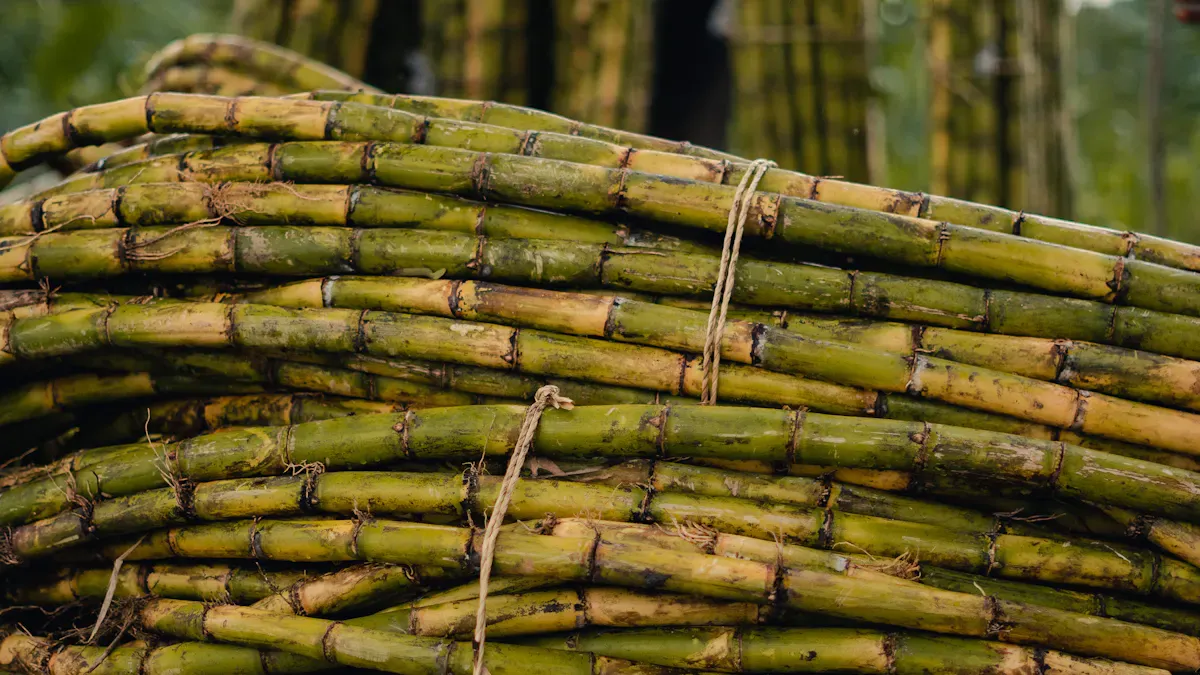
You may wonder what sugarcane bagasse is and why it matters for packaging. Sugarcane bagasse is the fibrous material left after extracting juice from sugarcane stalks. Farmers harvest sugarcane for its sweet juice, but the process leaves behind a large amount of strong, natural fiber. This fiber, called sugarcane bagasse, does not go to waste. Instead, you can use it to create eco-friendly products.
The process for making packaging from sugarcane bagasse is simple and efficient:
Workers extract juice from harvested sugarcane stalks, leaving behind bagasse fibers.
Factories blend these fibers with water to form a soft pulp.
Machines use pressure and heat to mold the pulp into sturdy products like plates, bowls, and containers.
Sugarcane bagasse stands out as a renewable resource. Every year, the world produces about 100 million tons of sugarcane bagasse. You can count on this material to break down quickly in composting facilities, usually within 30 to 90 days. It enriches the soil and reduces waste. Unlike petroleum-based packaging, sugarcane bagasse uses agricultural leftovers and emits much less carbon dioxide.
Note: Sugarcane bagasse decomposes in 60–90 days, while plastic can last for centuries.
Benefit |
Sugarcane Bagasse |
Petroleum-based Alternatives |
|---|---|---|
Decomposition Time |
60–90 days in composting facilities |
Centuries |
CO₂ Emissions |
65–80% less CO₂ emitted |
Higher emissions |
Resource Use |
Repurposes agricultural waste |
Uses fossil fuels |
Eco-Friendly Packaging Applications
You see sugarcane bagasse used in many types of packaging today. Its strength and natural grease resistance make it perfect for food service. You can find sugarcane bagasse in plates, bowls, and food containers. Many restaurants and catering companies choose sugarcane bagasse for takeaway boxes, clamshells, and trays. These products keep hot, cold, or greasy foods safe and contained.
Sugarcane bagasse plates and bowls work well for both hot and cold meals.
Food containers made from sugarcane bagasse are ideal for delivery and takeaway.
Clamshell boxes and trays hold burgers, salads, and sides without leaking.
Molded inserts protect electronics and cosmetics during shipping.
You can trust sugarcane bagasse to handle demanding foodservice needs. Ecolipak’s heavy-duty sugarcane plates and containers outperform low-grade paper plates. They keep their shape, resist leaks, and stay strong even with liquid-heavy or greasy foods. This makes sugarcane bagasse the smart choice for eco-conscious businesses and anyone who wants reliable, sustainable packaging.
Why Durability Matters for Food Packaging
The Challenge of Oily and Moist Foods
You face real challenges when packaging oily and moist foods. Foods like curries, tacos, and stir-fries contain high levels of moisture and oil. These elements can break down weak packaging, causing leaks and soggy messes. You need packaging with strong durability to keep food safe and appetizing.
High moisture foods need packaging that holds in moisture and blocks oxygen.
If packaging loses moisture, food can dry out, lose weight, and become less appealing.
Oxygen entering the package can lead to microbial growth and spoilage.
The main challenge is to prevent moisture loss while also stopping oxygen from getting in. This balance is key for food safety and quality. When you use packaging with proven durability, you protect your food from these risks. Ecolipak’s heavy-duty sugarcane plates and to-go boxes show excellent durability characteristics. They resist moisture and grease, keeping your food fresh and secure.
Tip: Durable packaging helps maintain the right temperature for your food, so it arrives fresh and looks great.
Common Packaging Failures
Many packaging options fail when exposed to oil and moisture. You might see leaks, soggy bottoms, or even broken containers. These failures can ruin the dining experience and hurt your reputation.
Common failures include:
Oils moving into packaging materials, causing them to weaken.
Fats breaking down the bonds in fiber-based packaging, reducing durability.
Oil absorption changing the stiffness of the container, making it less reliable.
Packaging made for dry foods failing with oily dishes.
A compostable container may pass safety tests but still leak oil after long exposure to greasy foods. This happens because oil absorption over time was not tested. Customers want packaging that stays strong and leakproof, even with hot, oily meals.
You can trust Ecolipak’s sugarcane bagasse products to deliver the durability you need. Their strength stands up to high temperatures, up to 180°C, without losing shape. Unlike low-grade paper plates, Ecolipak’s heavy-duty plates and boxes maintain their structure and prevent leaks, even in demanding foodservice environments.
Durability in packaging does more than protect food. It builds customer confidence and satisfaction. When your food arrives in perfect condition, customers are more likely to return and recommend your business.
Durable packaging prevents contamination and keeps food safe.
Quality materials protect food from moisture, oxygen, and light, extending shelf life.
Strong packaging leads to positive reviews and repeat customers.
Packaging Need |
How Durability Helps |
|---|---|
Food Safety |
Prevents contamination |
Freshness |
Maintains moisture and temperature |
Customer Satisfaction |
Reduces leaks and messes |
Durability is not just a feature—it is a promise of quality and reliability for your customers.
The 24-Hour Curry Test Explained
Test Setup and Method
You want to know if eco-friendly packaging can handle real food challenges. The 24-hour curry test gives you clear answers. This testing process uses Ecolipak’s 8 inch Compostable Sugarcane 3 Compartment To Go Boxes. You fill each compartment with different foods. One holds a spicy curry, another has saucy tacos, and the last contains a moist side dish. These foods have high oil and moisture content. You close the box and let it sit for a full day.
This method simulates what happens when you pack takeout or leftovers. You do not open the box during the 24-hour period. You keep it at room temperature, just like in a real restaurant or delivery setting. The goal is to see if the box can resist leaks, grease stains, and sogginess. You check the box after 24 hours for any signs of failure.
Here is a simple breakdown of the testing steps:
Place hot, oily curry in one compartment.
Add tacos with sauce in the second compartment.
Fill the third compartment with a moist side, such as beans or vegetables.
Close the lid tightly.
Leave the box undisturbed for 24 hours at room temperature.
Inspect the box for leaks, grease marks, or loss of shape.
This testing method pushes the packaging to its limits. You see how well the box stands up to tough, real-world conditions.
You use this method because it mimics what happens in busy kitchens and during food delivery. Many buyers worry that natural plant fiber packaging cannot handle greasy or liquid-heavy foods. The 24-hour curry test helps you see the truth. You get proof that Ecolipak’s heavy-duty sugarcane boxes outperform low-grade paper plates. They keep their structure and prevent leaks, even with challenging foods.
Success Criteria
You need clear standards to judge the results of the 24-hour curry test. The testing focuses on three main points:
No leaks: The box must not let oil or liquid escape.
No grease stains: The outside of the box should stay clean and dry.
No sogginess: The box must keep its shape and strength.
If the box passes all three, you know it is truly greaseproof and moisture-resistant. You can trust it for oily curries, saucy tacos, and other demanding foods. This testing gives you confidence in the product’s reliability.
Here is a table to help you understand the success criteria:
Test Point |
What You Check For |
Why It Matters |
|---|---|---|
Leak Resistance |
No oil or liquid escapes |
Prevents mess and waste |
Greaseproof |
No stains on outer surface |
Keeps hands and surfaces clean |
Structural Hold |
No bending or sogginess |
Maintains food presentation |
When you see a box pass the 24-hour curry test, you know it can handle the toughest foodservice jobs.
This testing method reassures you and your customers. You do not have to worry about leaks or weak packaging. Ecolipak’s sugarcane boxes give you a reliable, eco-friendly solution for every meal. You can serve hot, greasy, or moist foods with confidence.
Results: Bagasse Durability in Action
Visual and Structural Outcomes
You want packaging that looks good and stays strong. After the 24-hour curry test, you see that bagasse containers from Ecolipak hold their shape. The compartments remain crisp and defined. You notice no warping or bending, even after storing hot, oily foods for a full day. The surface stays smooth and clean. You do not see any discoloration or soggy spots. The lid fits tightly, and the box feels sturdy in your hands.
You compare bagasse to low-grade paper plates. Paper plates often sag or tear when exposed to moisture and oil. Bagasse stands up to these challenges. You can stack multiple boxes without crushing them. You can transport meals confidently, knowing the packaging will not collapse. Bagasse maintains its structure under stress, making it ideal for busy kitchens and delivery services.
You can rely on bagasse to keep food presentation neat and appetizing. Customers appreciate meals that arrive in perfect condition.
Leak and Grease Resistance Performance
You need packaging that prevents leaks and keeps grease contained. The 24-hour curry test shows that bagasse boxes from Ecolipak excel in this area. You inspect the box after storing curry, tacos, and moist sides. You find no leaks. The outside of the box stays dry. You do not see any grease stains or oil marks. The compartments keep sauces and liquids separated.
You test bagasse with different foods. Hot meals, soups, and oily dishes do not penetrate the material. You see that bagasse resists oil with a penetration depth of only 0.15–0.32 mm. You check for leaks with ramen and tomato soup. The result is zero leakage. You use bagasse containers in the refrigerator and microwave. They do not melt or release odors. You can reheat leftovers safely.
Here is a table showing bagasse durability in various food storage conditions:
Test Scenario |
Observations |
Key Findings |
|---|---|---|
Hot Meal Endurance |
No deformation below 95°C |
Maintains structural integrity |
Liquid-Based Meal Reliability |
0 ml leakage for ramen and soup |
Excellent leak resistance |
Oily Food Stress Test |
Oil penetration depth 0.15–0.32 mm |
Strong oil resistance |
Refrigerator + Microwave Test |
No melting or toxic odor |
Safe for reheating |
Stacking & Logistics Simulation |
84% structural integrity under load |
Durable for transport |
You compare bagasse to other packaging materials. PET shows high durability and resistance, with minimal penetration and strong hardness. HDPE and PP do not perform as well. They show deeper penetration and lower hardness. Bagasse offers a natural alternative that matches or exceeds the performance of many synthetic materials. You see that bagasse recovers well after stress and maintains its appearance.
You address doubts about plant fiber packaging. Bagasse proves its reliability for liquid-heavy and greasy foods. You can serve curries, soups, and oily dishes without worrying about leaks or messes. Ecolipak’s heavy-duty bagasse plates and boxes outperform low-grade paper plates. You get packaging that protects food, supports transport, and satisfies customers.
You can trust bagasse to deliver leakproof, greaseproof performance every time. Ecolipak gives you the confidence to serve any meal, knowing your packaging will not fail.
The Science Behind Greaseproof Bagasse
Material Properties and Resistance
You see bagasse as more than just a plant fiber. The secret lies in the sugarcane bagasse cellulose structure. When you press wet bagasse, the long cellulose fibers interlock to form a dense grid. This grid creates a strong barrier that blocks oil and liquid. You notice that the mechanical properties of bagasse come from this tight fiber network. The structure resists absorption and softening, even when exposed to heavy oils, hot gravies, or acidic foods.
You can test bagasse by pouring curry or soup into a container. The cellulose grid holds firm. You observe no leaks or sogginess. The mechanical properties of sugarcane bagasse cellulose keep the packaging intact under stress. You find that bagasse offers natural grease resistance up to 95°C. Moisture resistance reaches 100°C, making it ideal for soups and wet dishes. You do not see plastic content, so you avoid harmful chemicals.
You trust bagasse because it passes rigorous certifications. The table below shows the standards that validate its performance:
Certification/Standard |
Description |
|---|---|
BPI Certified Compostable |
Meets ASTM D6400 or EN 13432 for biodegradability |
OK Compost (Industrial/Home) |
Certifies compostability in both settings |
DIN CERTCO |
Validates European compostability standards |
FDA Compliance |
Ensures food-contact safety under US regulations |
EU Regulation (EC) No. 1935/2004 |
Governs food safety standards in Europe |
TÜV Austria |
Third-party certification for product safety |
BRCGS (Packaging) |
Certification for packaging safety and quality assurance |
You see Ecolipak’s heavy-duty sugarcane plates outperform low-grade paper plates. The mechanical properties of bagasse prevent leaks and maintain structural integrity in demanding environments.
Advanced Molding Techniques
You benefit from advanced molding techniques that enhance bagasse performance. Manufacturers use internal sizing agents like alkyl ketene dimer and alkenyl succinic anhydride. These agents improve water resistance throughout the cellulose fiber structure. You also see external biodegradable coatings applied after molding. These coatings create a protective film, crucial for to-go containers.
You find several innovations that boost resistance:
FluoZero technology uses a PFAS-free, plant-based solution for grease resistance.
Super-dense structure provides effective resistance and temperature stability from -34°C to 220°C.
Long-term protection maintains greaseproof qualities for up to 8 hours.
You rely on these mechanical properties and resistance features to serve oily, liquid-heavy foods confidently. The sugarcane bagasse cellulose grid, combined with advanced molding, ensures your packaging stays strong and reliable. You dispel doubts about plant fiber packaging. Bagasse proves its value through operational proof and material stress-testing. You choose Ecolipak for packaging that protects your food and satisfies your customers.
Sustainable Solutions with Ecolipak
Product Features and Benefits
You want packaging that delivers reliable performance and supports sustainable goals. Ecolipak’s molded fiber-based packaging uses sugarcane and nanocellulose to create strong, eco-friendly containers. These products resist leaks and grease, making them ideal for liquid-heavy and oily foods. You can use the 8 inch Compostable Sugarcane 3 Compartment To Go Boxes for curries, tacos, and moist sides. The boxes keep food separated and prevent mixing.
Ecolipak’s plates and boxes are biodegradable and compostable.
You get sturdy, leak-proof packaging that stands up to stress.
The price is competitive, and you avoid problems with quality.
You reduce waste and support sustainable packaging solutions.
You see that molded fiber-based packaging from sugarcane offers durability and heat resistance. Nanocellulose fibers interlock to form a dense barrier. This structure prevents leaks and maintains shape, even after 24 hours with oily foods. You can microwave and refrigerate these containers without worry. Ecolipak’s products help you serve food confidently and responsibly.
Feature |
Benefit |
|---|---|
Biodegradable |
Reduces landfill waste |
Leak-proof |
Prevents spills and messes |
Heat-resistant |
Safe for hot meals |
Eco-friendly |
Supports sustainable practices |
Molded fiber-based |
Maintains structural integrity |
Customer Stories and Real-World Use
You hear from customers who value sustainable packaging solutions. One customer said, “I’ve purchased these plates multiple times as I do not like to wash dishes.” Another shared, “The price was right, and I had no problems with them at all.” You see that Ecolipak’s molded fiber-based packaging meets real needs in homes and businesses.
You notice that the global shift toward sustainable practices drives demand for sugarcane and nanocellulose products. Regulatory pressure and consumer preference for eco-friendly options push companies to adopt molded fiber-based packaging. Millennials and Gen Z prefer brands that use sustainable materials. You see stricter regulations on plastic packaging, making sugarcane and nanocellulose solutions more attractive.
The biodegradable packaging market is expected to grow at a CAGR of 10.5% from 2023 to 2030, with bagasse capturing a substantial share due to its sustainability advantages.
You understand that switching to molded fiber-based packaging may involve higher upfront costs. You invest in new machinery and retrain employees. Over time, you save money by reducing landfill fees and meeting regulations. You support sustainable goals and satisfy customers who want eco-friendly products.
You see technological advancements in molding techniques and barrier technologies. These innovations improve the performance of sugarcane and nanocellulose containers. You trust Ecolipak’s products to deliver operational proof and material stress-testing. You serve liquid-heavy and greasy foods without leaks or loss of structural integrity. Ecolipak’s heavy-duty sugarcane plates outperform low-grade paper plates in demanding foodservice environments.
You can trust molded bagasse to deliver real greaseproof and moisture-resistant performance. The 24-hour curry test proves that Ecolipak’s packaging stands strong, even with oily foods. Ecolipak leads in sustainable packaging innovation, selling over 59 million biodegradable products and protecting green space. Juice bar owners and event planners praise the strength and look of these compostable options. When you choose Ecolipak, you support environmental responsibility and enjoy reliable, high-quality packaging that meets strict standards for biodegradability and food safety.
FAQ
What makes Ecolipak’s bagasse packaging different from regular paper plates?
You get packaging made from alternative fibers from sugarcane. These fibers create a dense structure. Research shows that cellulose and nanocellulose improve strength. The characterization of cellulose in bagasse proves it resists leaks and holds up better than low-grade paper plates.
How does bagasse packaging handle oily or liquid-heavy foods?
You can trust bagasse containers for greasy foods. Research on cellulose and nanocellulose shows strong oil resistance. The characterization of cellulose confirms that these containers keep their shape. Ecolipak’s products outperform regular paper plates in demanding foodservice environments.
Is bagasse packaging truly biodegradable and safe for the environment?
You choose biodegradable packaging when you pick Ecolipak. Research confirms that alternative fibers from sugarcane break down quickly. The characterization of cellulose and nanocellulose supports this. You help promote sustainability and reduce waste.
What role does research play in improving bagasse packaging?
You benefit from ongoing research into cellulose-based compounds. Scientists use advanced methods for the characterization of cellulose and nanocellulose. This research leads to stronger, more reliable packaging. You see better performance and greater sustainability in every product.
Why do commercial buyers prefer Ecolipak’s heavy-duty sugarcane plates?
You want packaging that passes material stress-testing. Research on cellulose and nanocellulose shows Ecolipak’s plates maintain structural integrity. The characterization of cellulose proves they prevent leaks. You get reliable, biodegradable solutions that support sustainability and meet foodservice demands.